Engineering for the world’s most remote environments
01 / 11
Where the story began
Technology is only as effective as its ability to operate where the problem exists.
The story of Transformation Technologies’ remote operations capability began long before the company itself was formed.
The Garrett family’s roots in thermal remediation trace back to some of the earliest commercial thermal treatment projects in North America. Operating under a predecessor company that would eventually become part of TTI, the team mobilized one of the first thermal remediation systems into a remote location near Cordova, Alaska.
The project was successful, but it revealed a challenge that would ultimately shape the philosophy behind every TTI technology developed thereafter. The equipment had been designed by engineers who understood thermal remediation. They had not designed it for Alaska.
The system was difficult to maintain, spare parts were unavailable, service support was thousands of miles away, and critical repairs often required resources that simply did not exist in the field.
The lesson was immediate and unforgettable. That realization became one of the foundational principles of Transformation Technologies.
02 / 11
Learning from the world’s toughest projects
The lessons learned in Alaska followed Garrett and his future business partner, Keith Chapman, throughout their careers.
Their next major milestone came at the Sanders Aviation EPA Superfund Site, where thermal remediation technology was being used to address chlorinated compounds. It was one of the first projects where the U.S. EPA utilized thermal treatment technology on contaminants of this nature.
Keith Chapman, then a young mechanical engineer fresh out of university, began redesigning critical components of the facility. The changes transformed the system’s performance.
Garrett and Chapman quickly recognized that many remediation technologies were unnecessarily complicated. Complexity created downtime. Complexity required specialized service teams. Complexity increased costs. Most importantly, complexity failed in remote environments.
03 / 11
Nigeria changed everything
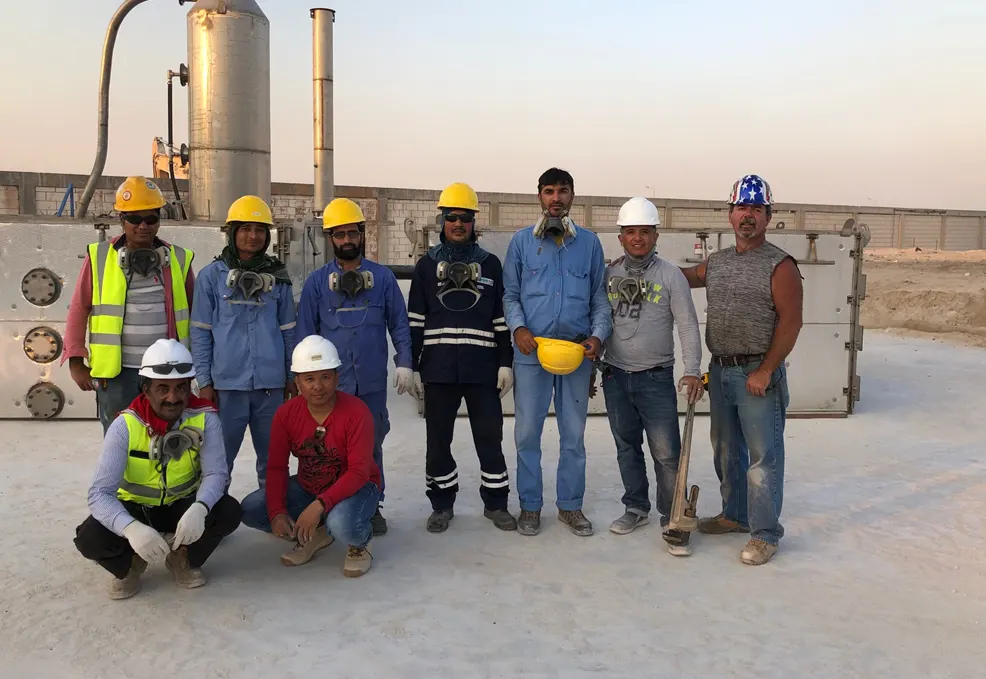
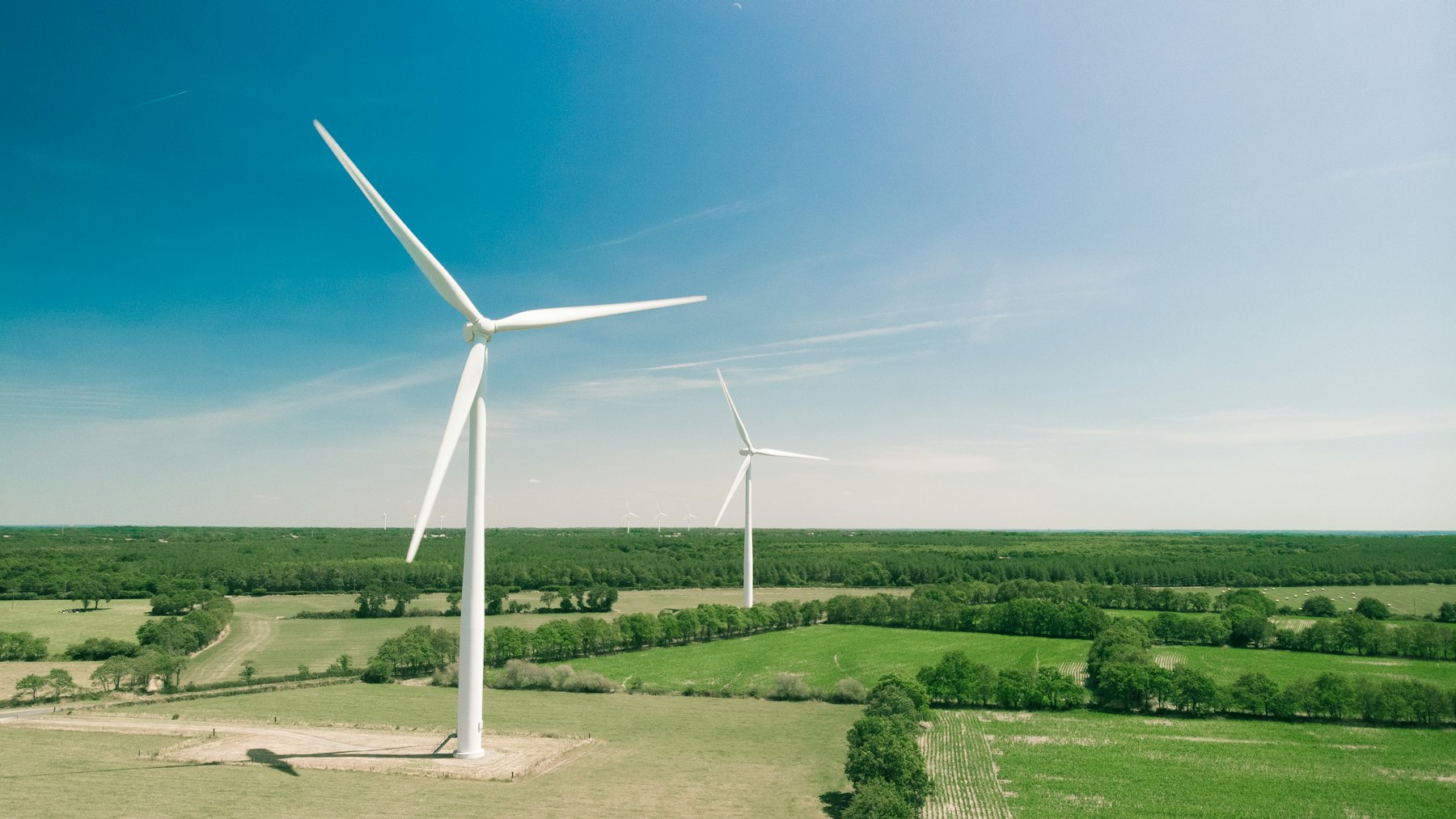
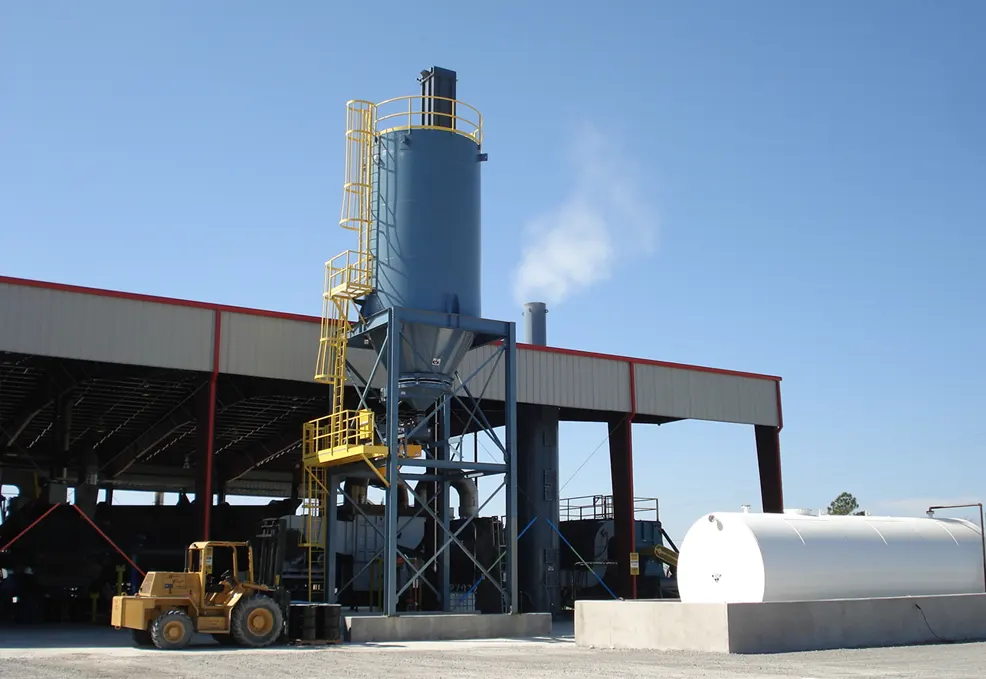
Following the Sanders Aviation project, Garrett and Chapman mobilized a large thermal remediation facility to Bonny Island, Nigeria, for Shell Oil. Once again, the project highlighted an issue that would fundamentally alter their engineering philosophy. The technology worked. The logistics did not. Training local operators was difficult. Specialized replacement parts were nearly impossible to obtain. Unexpected downtime became expensive.
The experience reinforced a critical belief: the best technology is not necessarily the most complex technology. The best technology is the one that continues working when the nearest machine shop is hundreds of miles away. From that point forward, Garrett and Chapman adopted a new design philosophy. Whenever possible:
- Equipment should be simple.
- Systems should be field-serviceable.
- Components should be repairable locally.
- Fabrication should be possible using locally available resources.
Today, approximately 95% of many TTI systems can be repaired, rebuilt, or fabricated locally without dependence on specialized suppliers.
04 / 11
The birth of a new technology
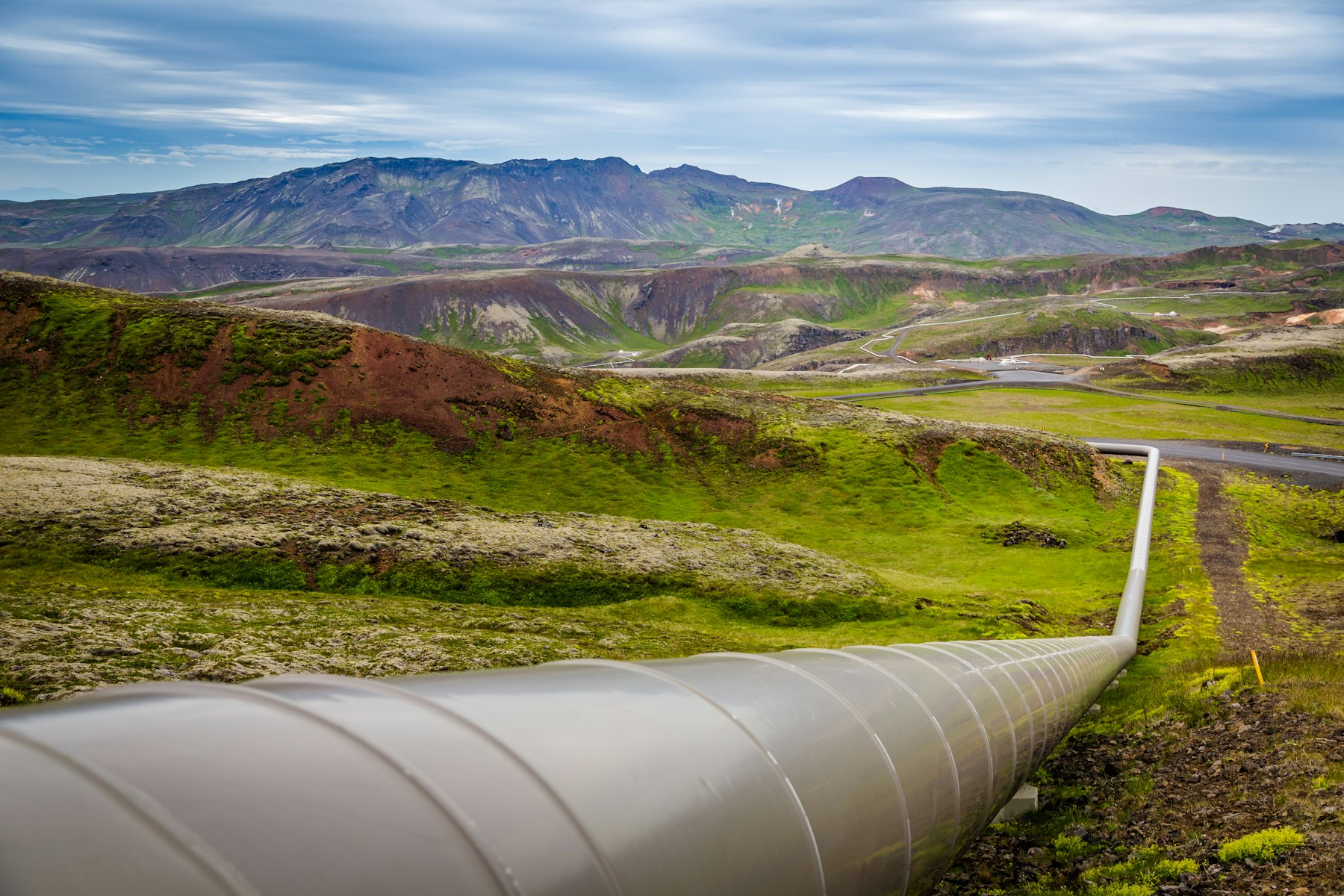
Years later, while working on a catalyst recycling project for Shell and ARAMCO, an unusual opportunity emerged. Through a joint venture involving international partners, Garrett and Chapman gained access to an early infrared remediation technology.
The concept showed promise. The execution did not. The technology was plagued by limitations, operational challenges, and design deficiencies. Most organizations would have abandoned it. Instead, Garrett and Chapman saw potential.
When the joint venture dissolved and the assets became available, the leadership of Transformation Technologies acquired the technology and began a complete redesign. What followed would become one of the most versatile remote-remediation platforms ever developed.
05 / 11
Introducing the Frontier IR™ Recovery System
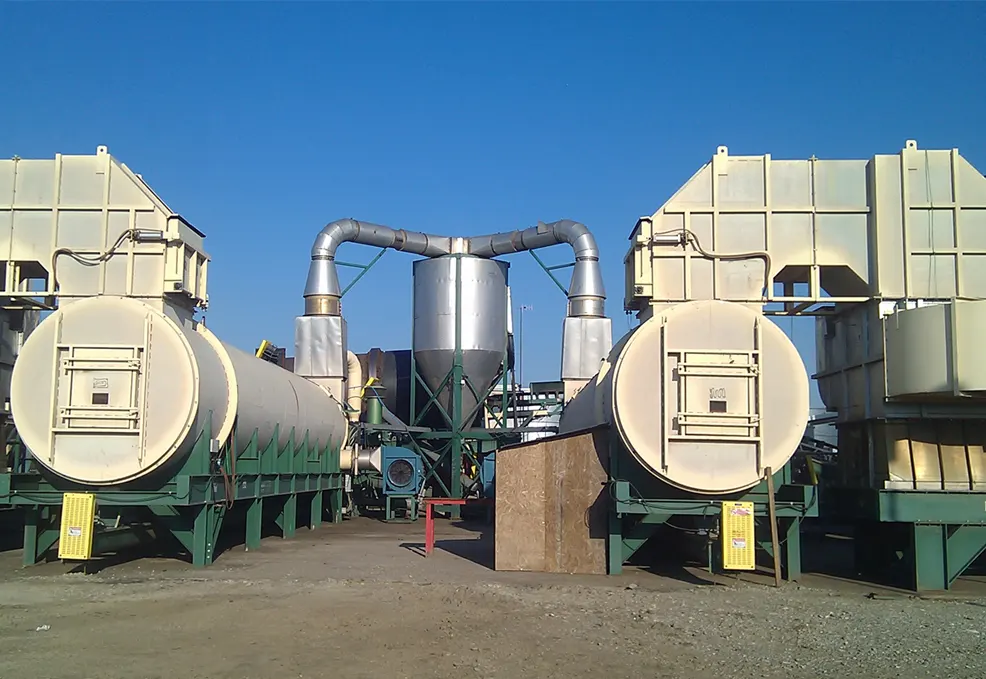
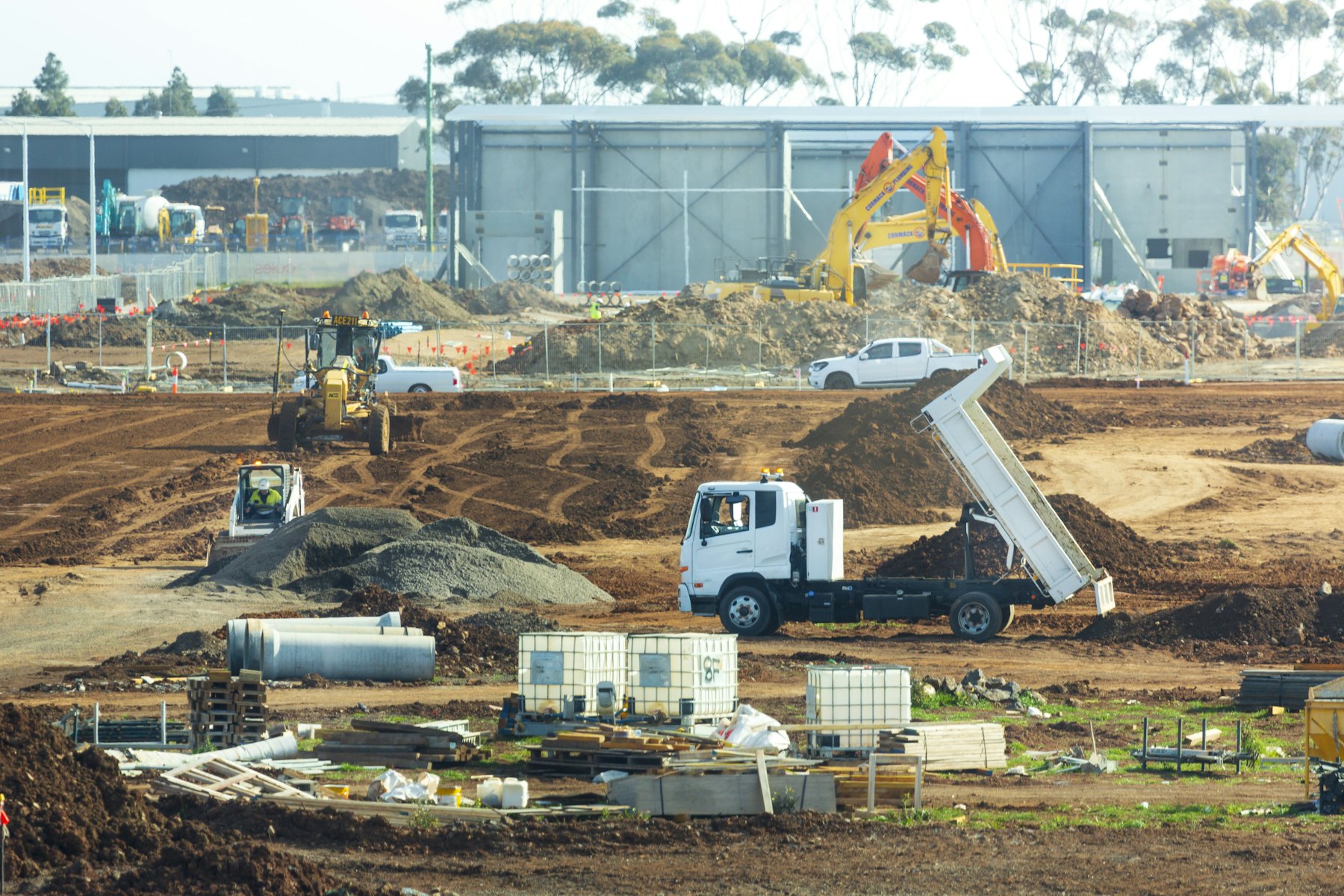
Built for the places others cannot reach. The Frontier IR™ Recovery System was designed around a simple question: what if thermal remediation equipment was engineered specifically for remote operations?
The answer is a technology platform unlike anything else currently operating in the market. While most thermal systems continue to become larger, more complex, and more dependent on specialized support infrastructure, Frontier IR™ was designed to become simpler, more flexible, and more deployable.
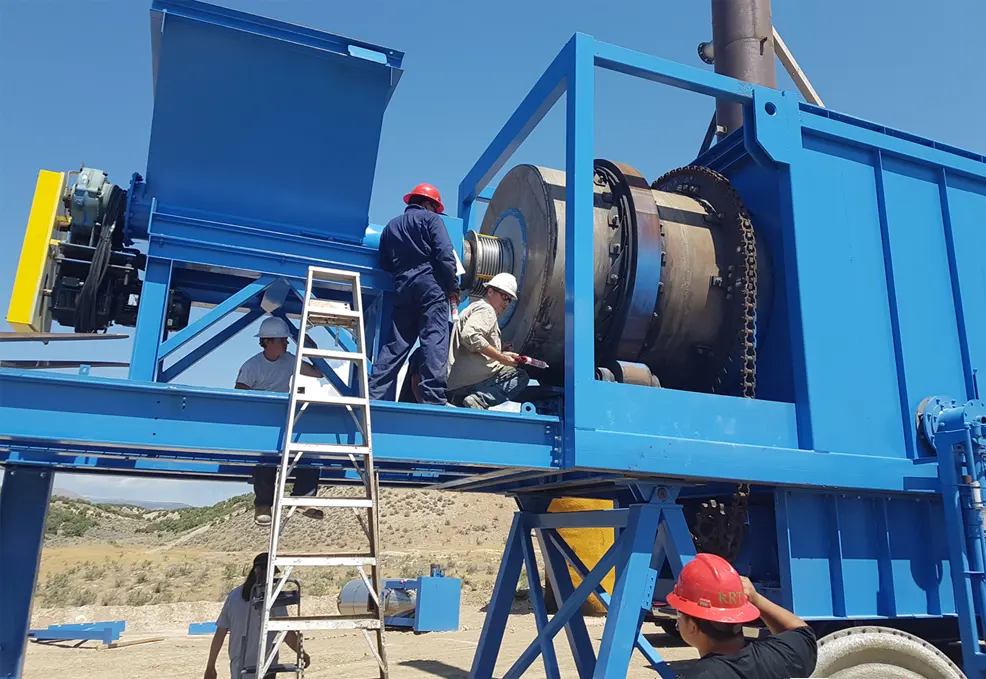
The technology combines rugged field engineering with high-performance remediation capabilities in an exceptionally compact and scalable platform.
06 / 11
Engineered for remote success
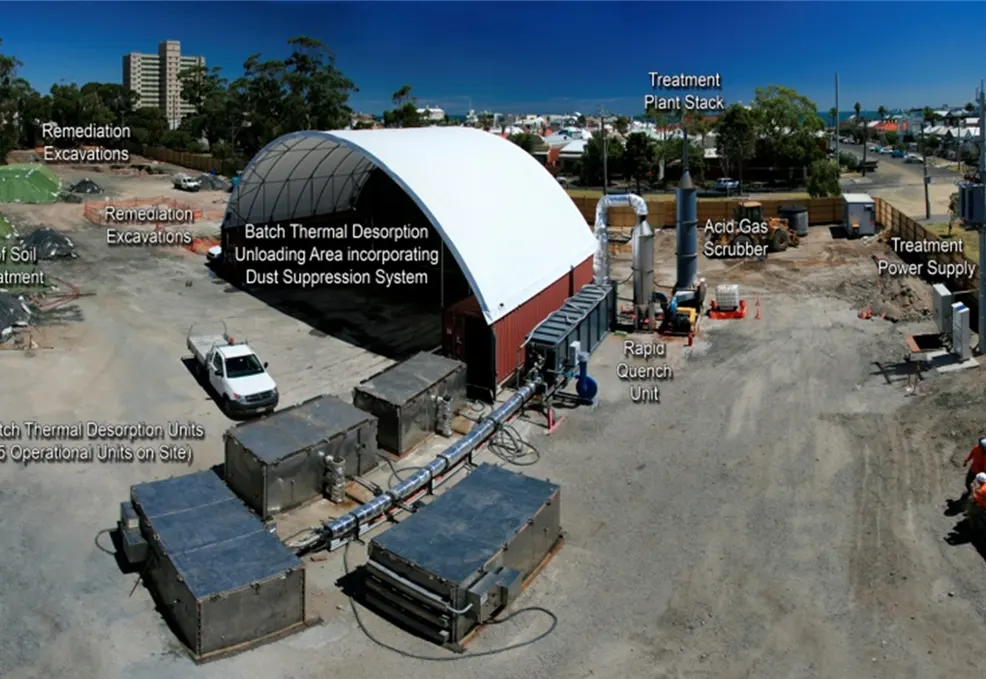
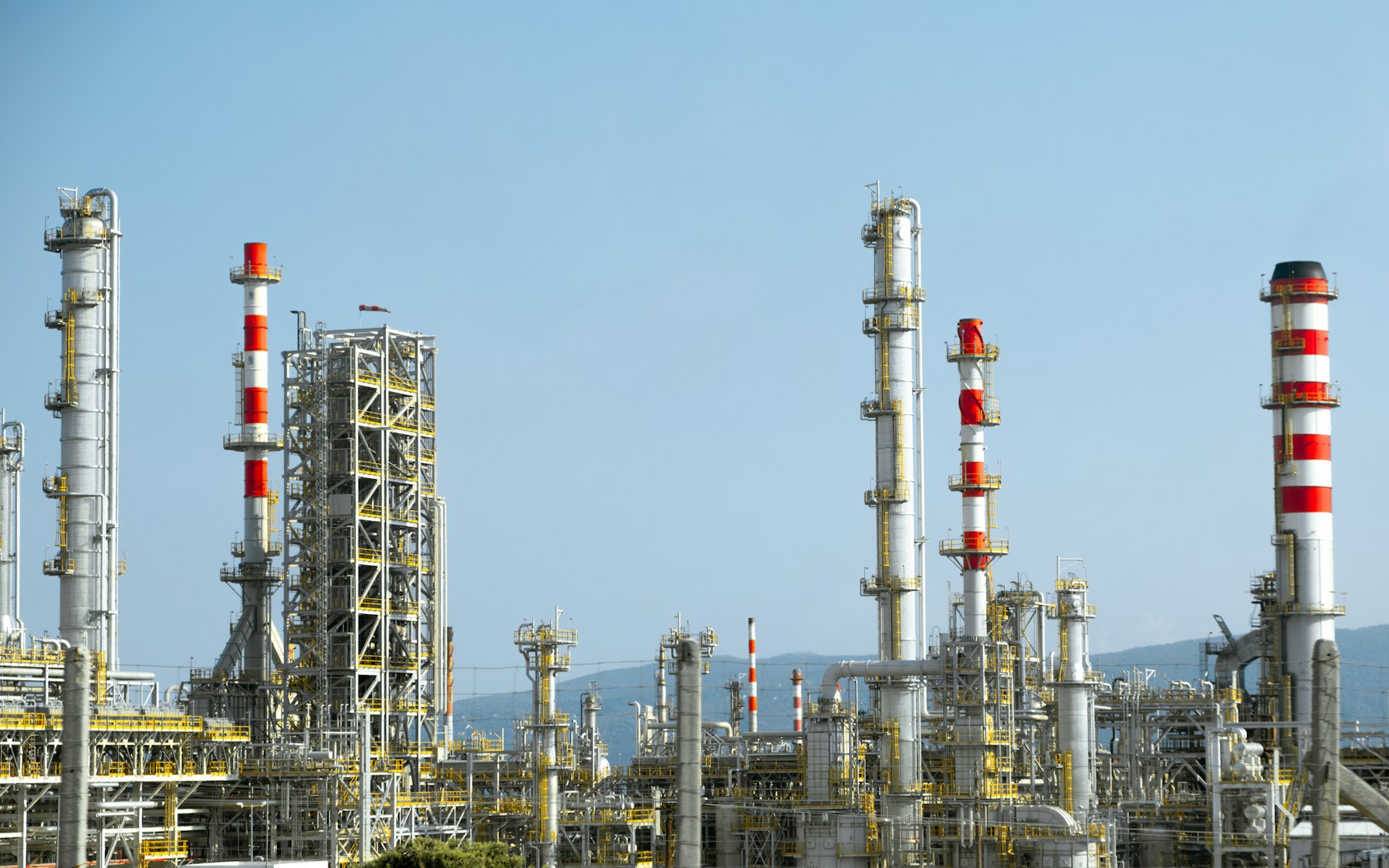
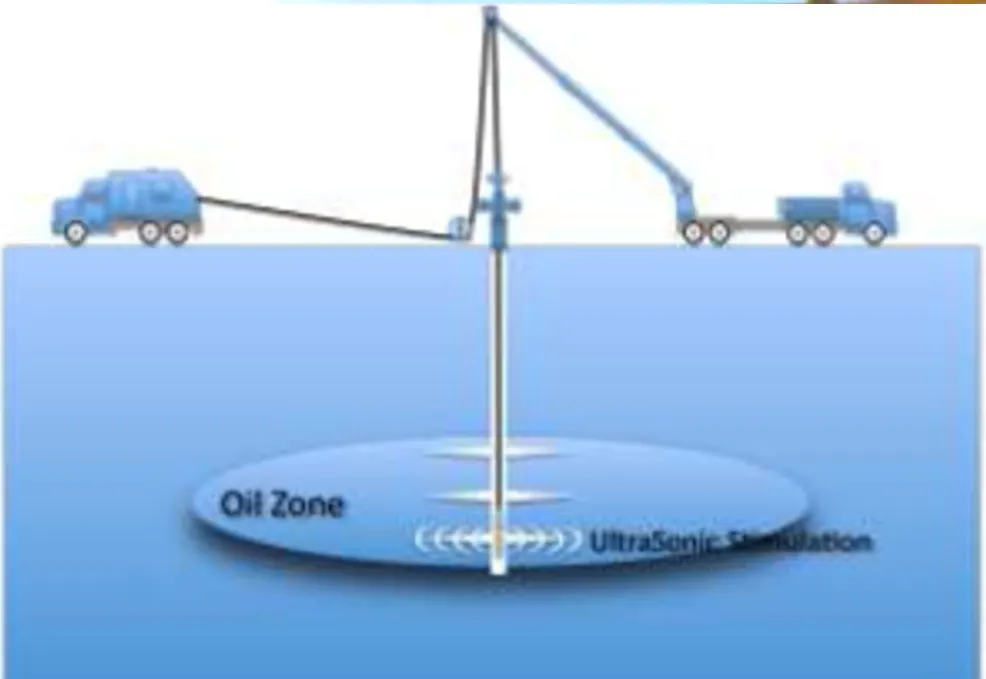
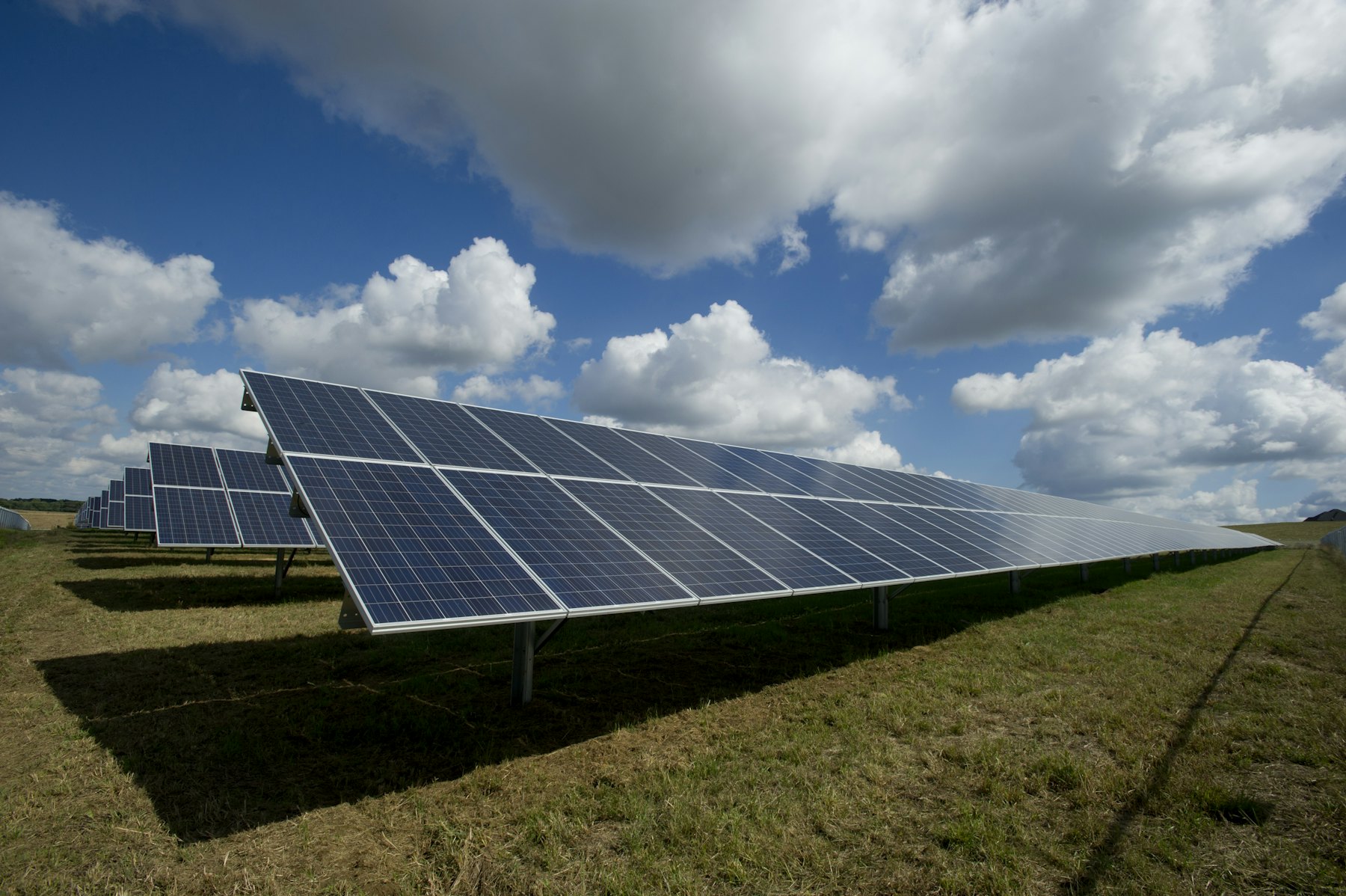
The Frontier IR™ Recovery System excels in environments where traditional treatment technologies struggle. Applications include:
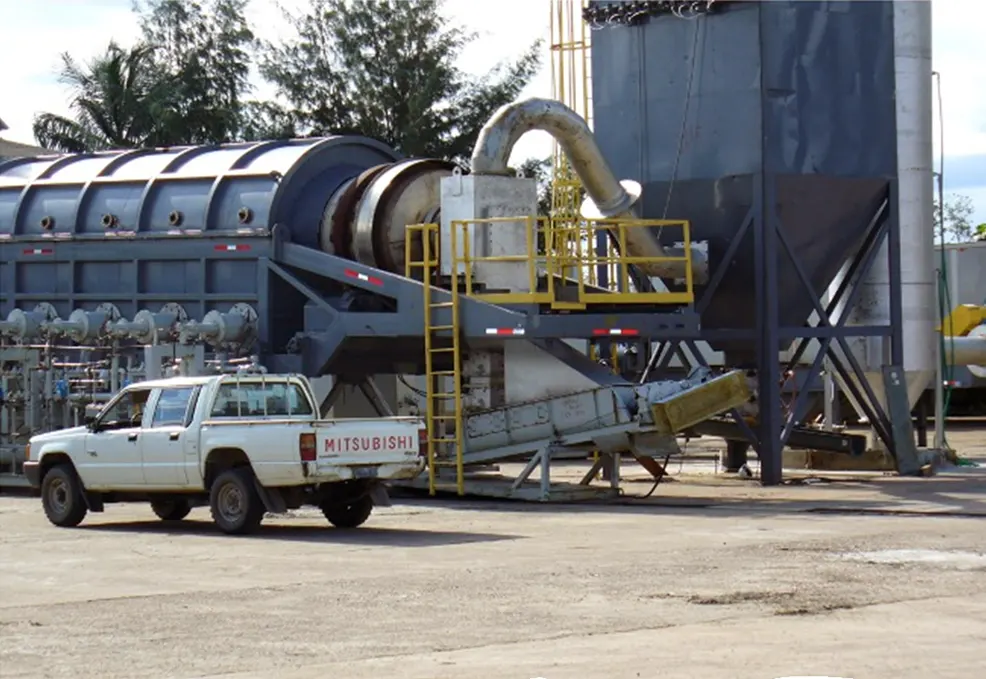
The entire system can be mobilized using a pickup truck or small trailer, dramatically reducing transportation costs and deployment times.
- Remote drilling operations
- Exploration camps
- Oil and gas production facilities
- Small remediation projects
- Military installations
- Mining operations
- Offshore support facilities
- Pipeline spill response
- Hydrocarbon-contaminated sites
07 / 11
Simplicity is the innovation
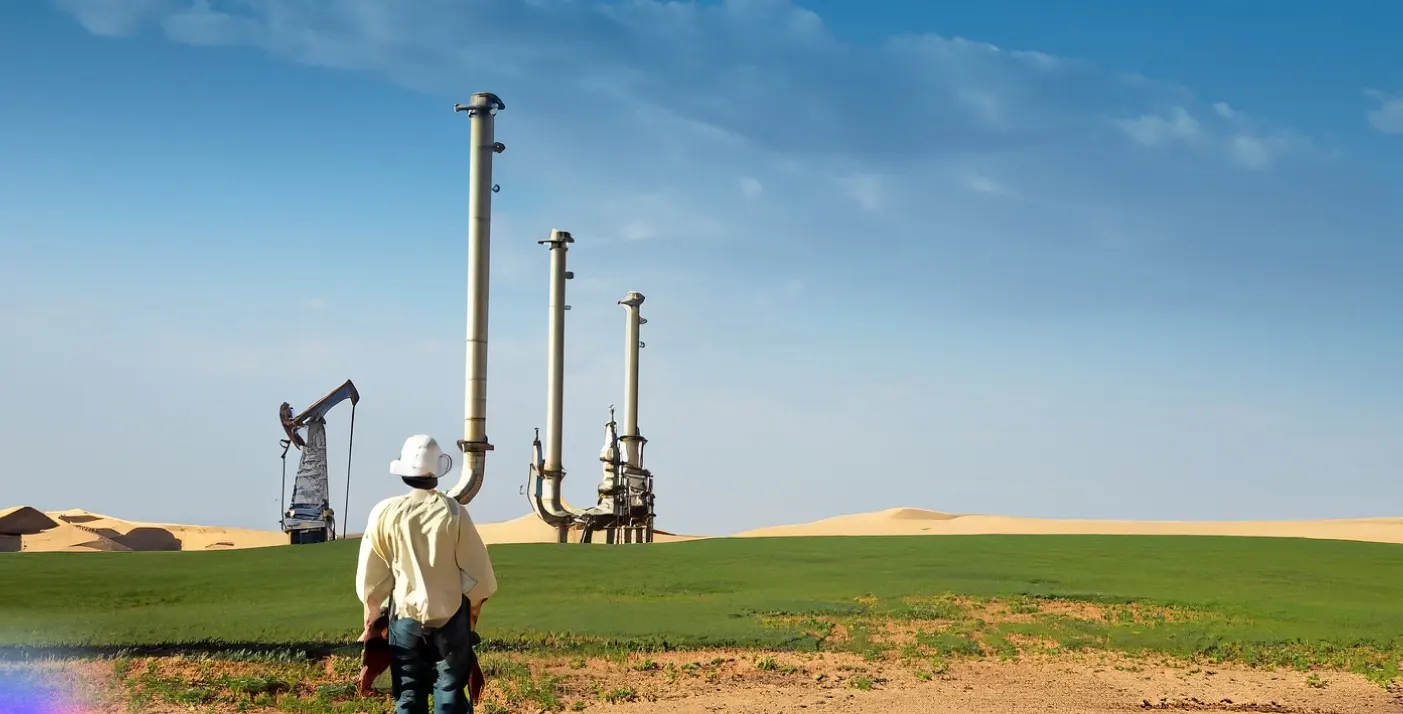
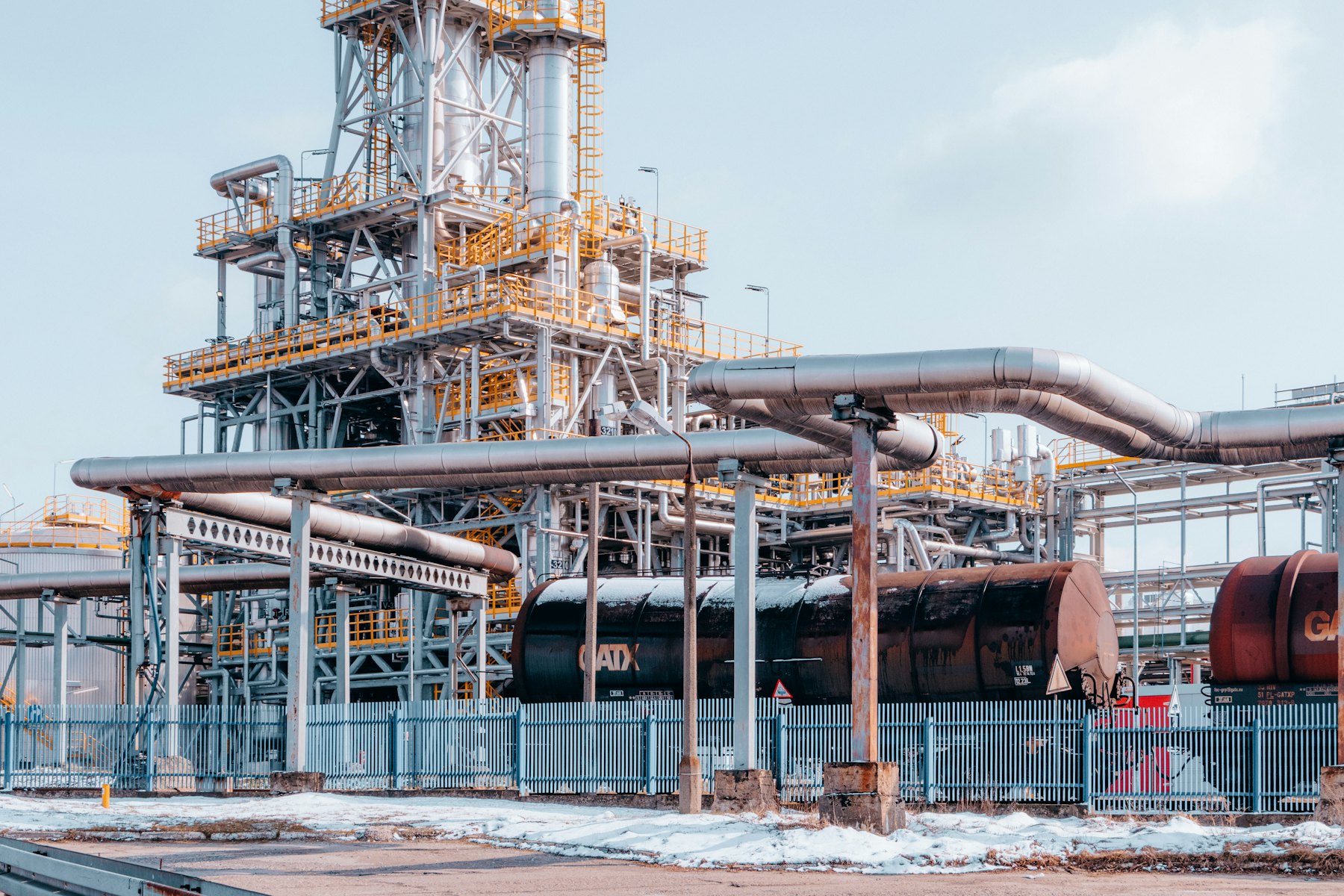
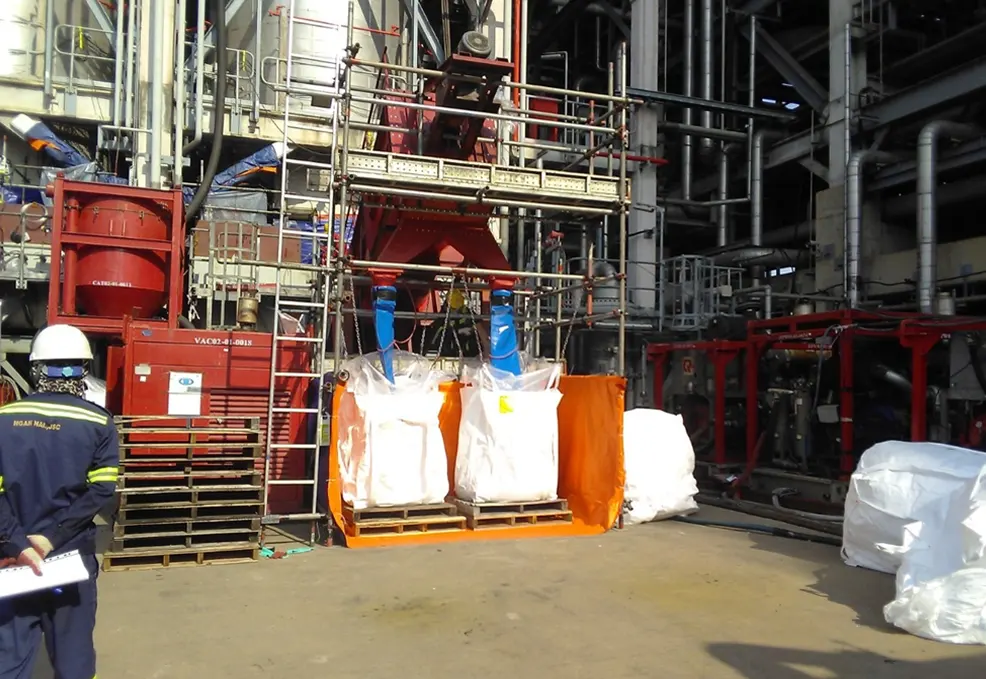
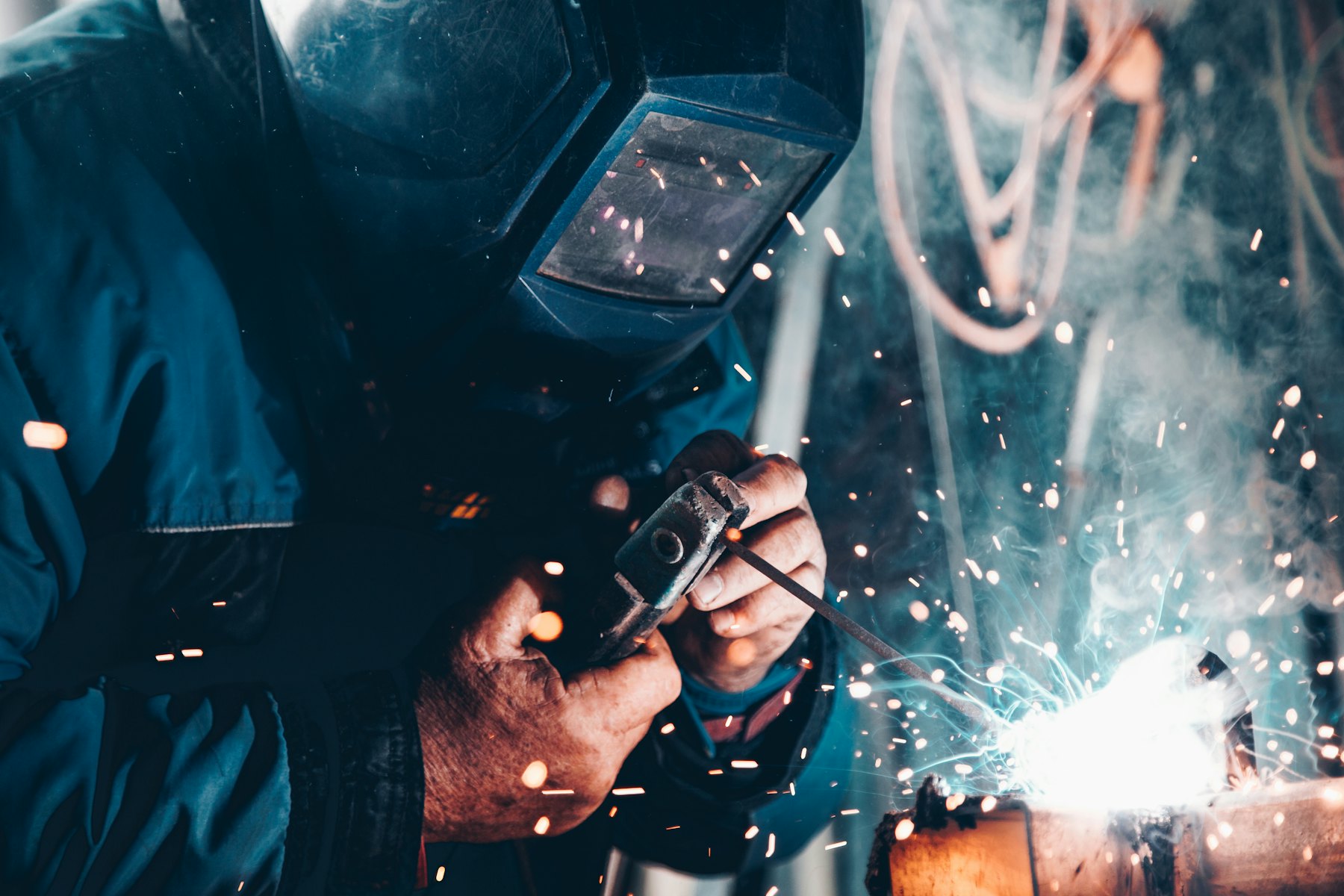
Many remediation technologies require extensive operator training and constant technical support. Frontier IR™ was engineered differently. Key design principles include:
In remote environments, simplicity becomes reliability. Reliability becomes profitability.
- Very few moving parts
- Simple operation
- Minimal maintenance requirements
- Rapid deployment
- Flexible pollution-control configurations
- Multiple product-recovery options
- Low off-gas volumes
- Streamlined permitting requirements
08 / 11
Proven across multiple contaminants
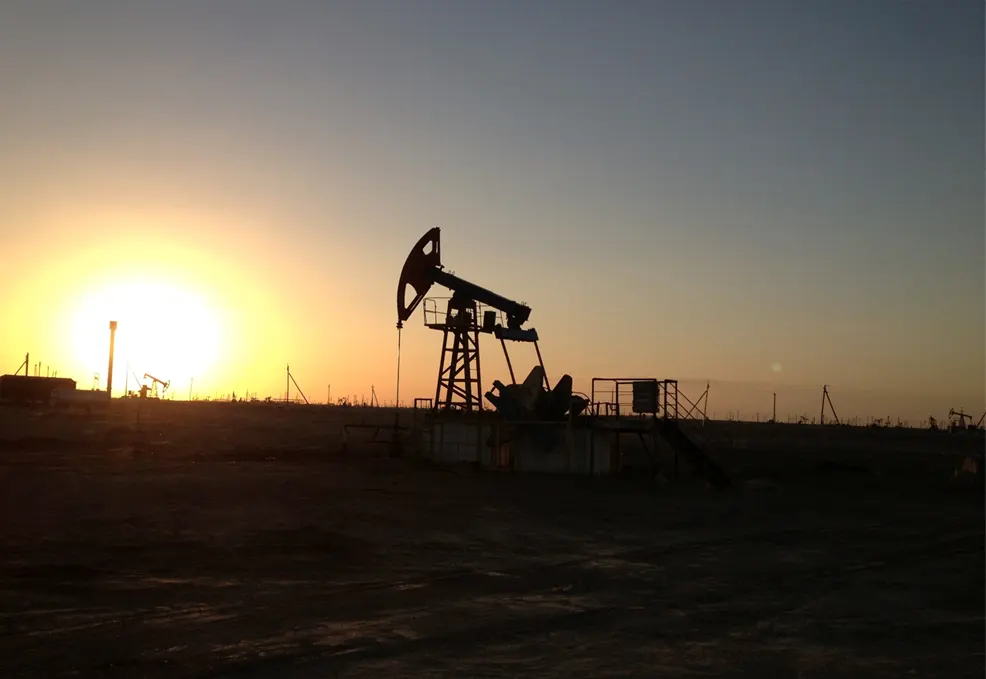
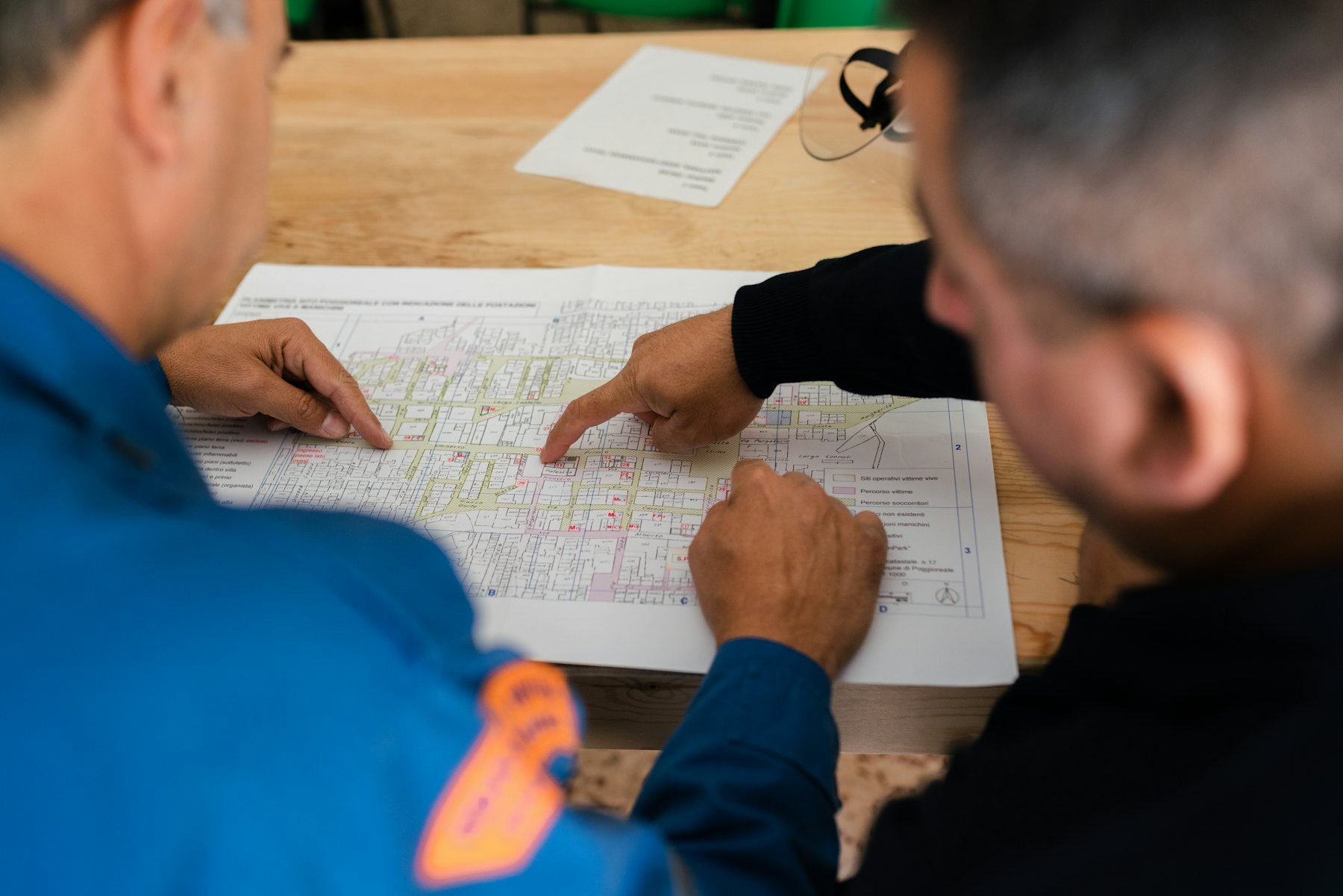
Unlike many remediation systems designed around a single waste stream, Frontier IR™ has demonstrated success across a diverse range of contaminants.
The technology’s adaptability makes it one of the most versatile thermal remediation platforms available.
- Hydrocarbons: crude oil, refinery waste, drilling wastes, and hydrocarbon-contaminated soils.
- Chlorinated compounds: including compounds historically treated with far more complex systems.
- PCBs: for challenging environmental remediation projects.
- TNT and energetic materials: for specialized industrial and military applications.
09 / 11
Flexible by design
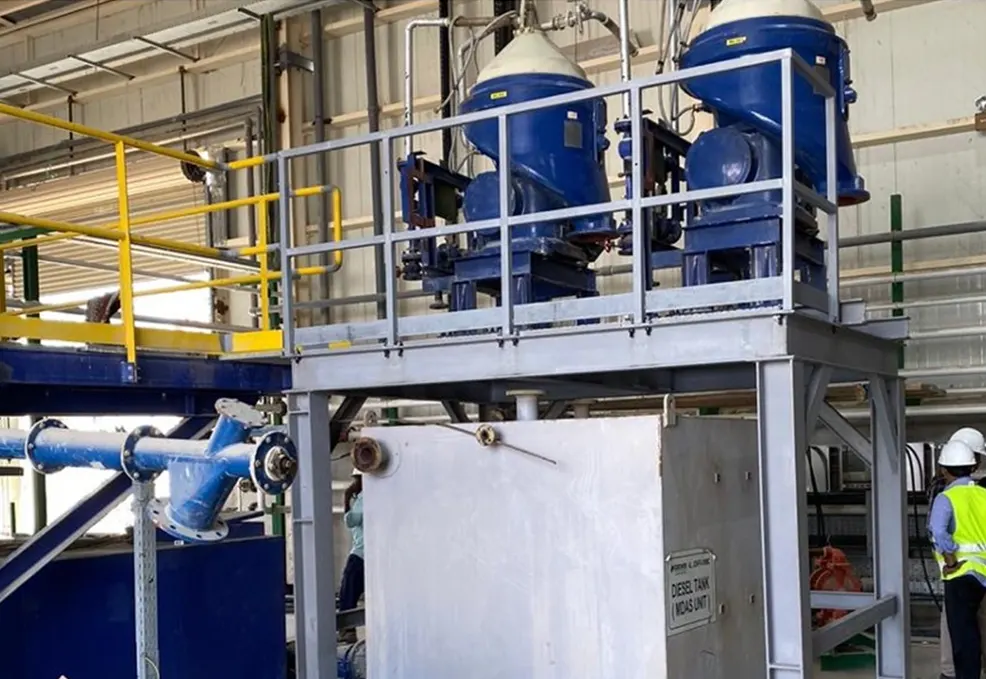
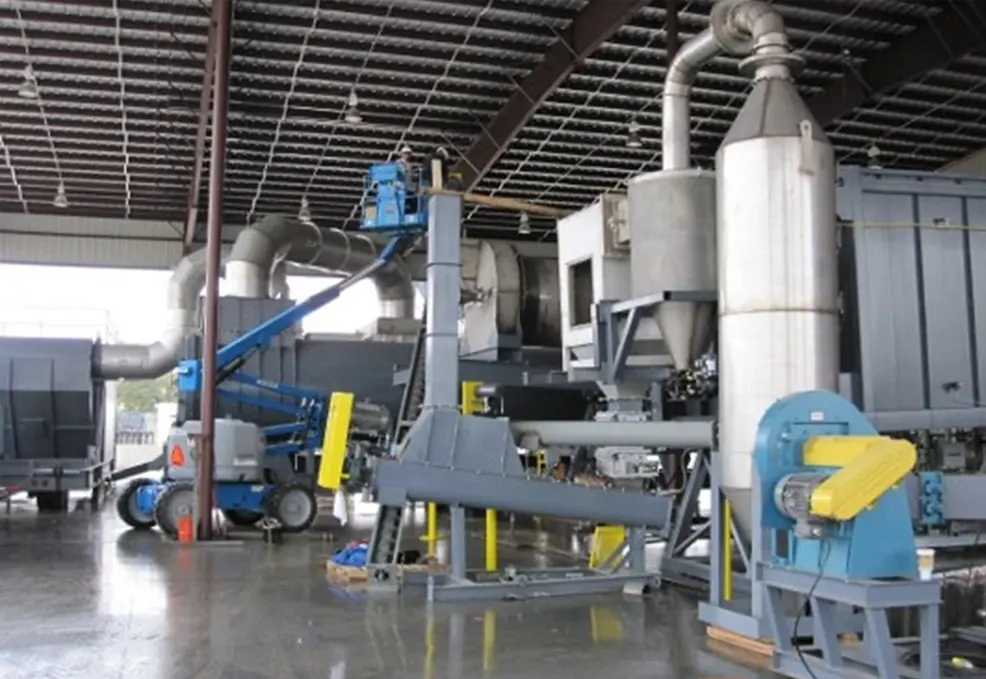
One of the defining characteristics of the Frontier IR™ system is its ability to adapt to field conditions. The technology can be:
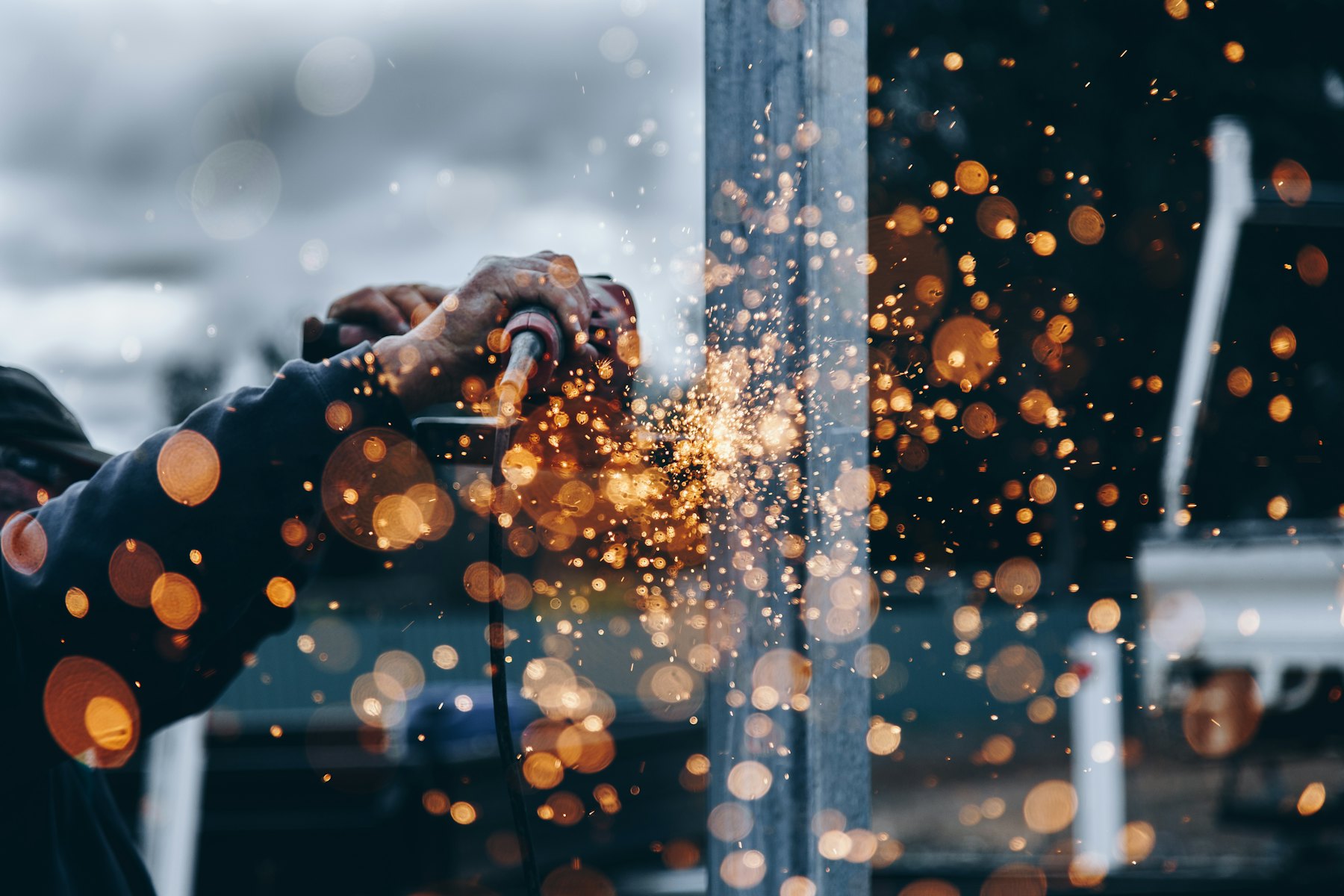
In certain applications, even the structural support frame can be built locally and left behind after project completion. This flexibility dramatically reduces mobilization costs while allowing the system to be tailored to specific project requirements.
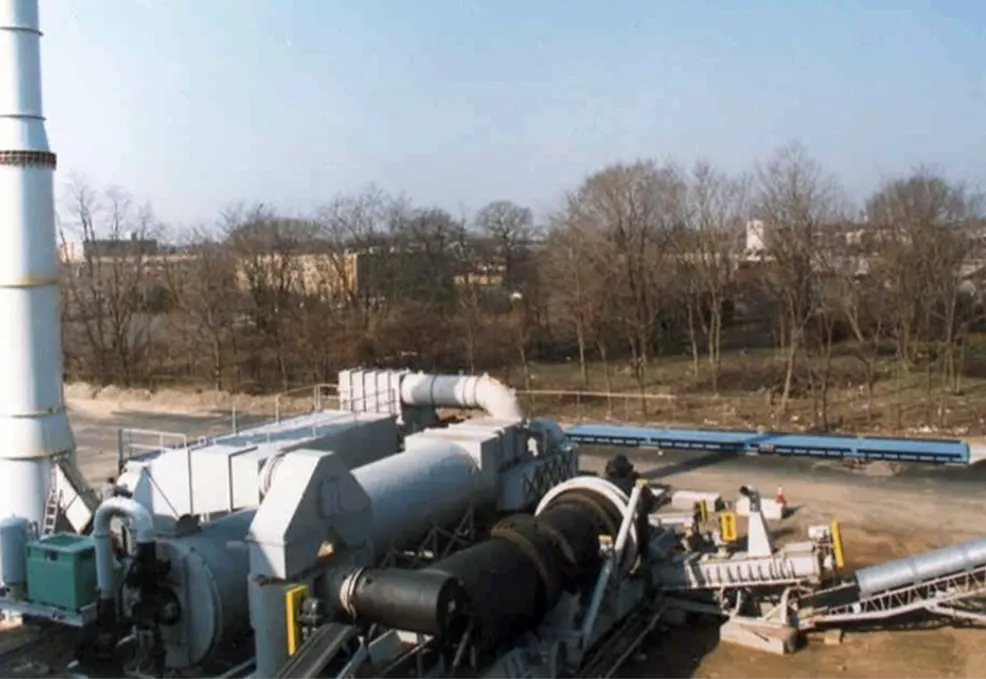
- Truck mounted
- Skid mounted
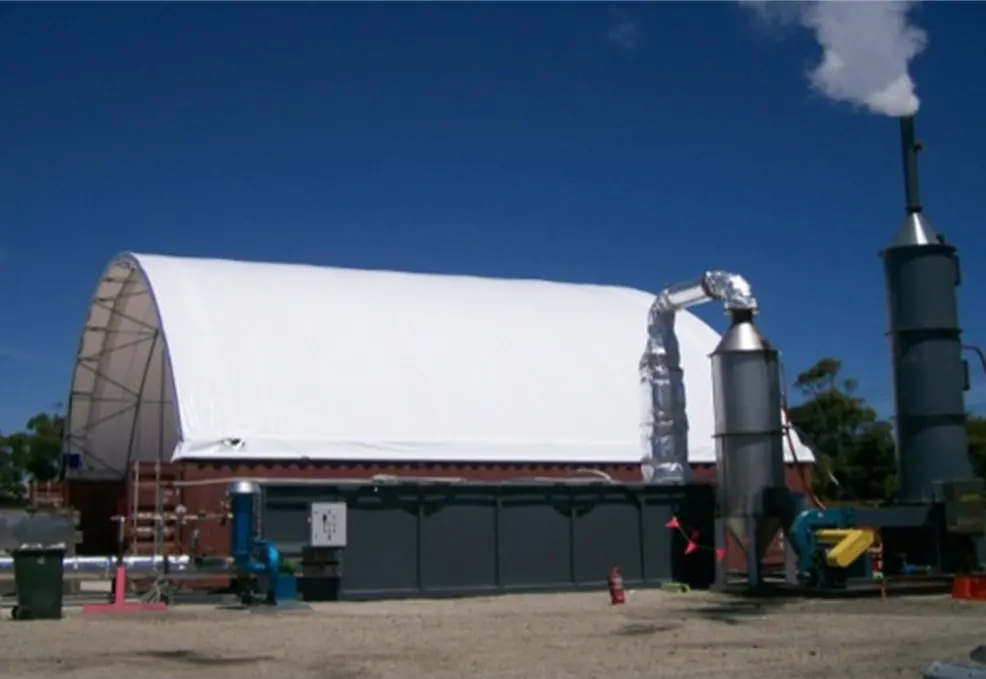
- Containerized
- Permanently installed
- Temporarily deployed
10 / 11
The future of remote resource recovery
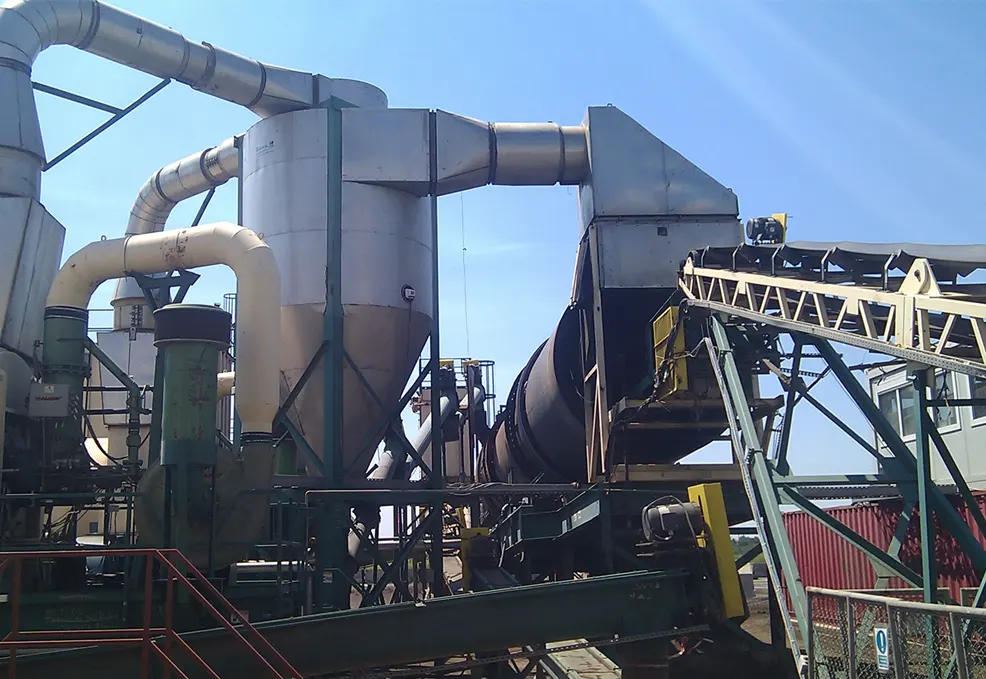
As industrial operations expand into increasingly remote regions, the need for reliable, mobile, and adaptable treatment technologies continues to grow.
Transformation Technologies believes the next generation of environmental solutions must be designed for operational reality rather than laboratory conditions. The Frontier IR™ Recovery System represents decades of lessons learned from:
- Alaska
- Nigeria
- North America
- The Middle East
- Africa
- Global environmental remediation projects
Every lesson contributed to a single objective: building technology that works where others cannot.
11 / 11
Why Transformation Technologies
For more than three decades, the leadership of TTI has worked in some of the world’s most challenging environments. From remote Alaskan sites to West African energy projects and major international remediation programs, our teams have learned that success depends on more than technology.
It depends on understanding logistics, training, maintenance, supply chains, local fabrication, and operational resilience. That experience is embedded into every technology we design.
The result is a portfolio of solutions engineered not just to perform, but to perform anywhere. When the project is remote, the solution should be ready to go there.
- Built for Remote Operations
- Engineered for Simplicity
- Proven Around the World