A conversation with Garrett
01 / 10
A CEO perspective
Our mission is simple: to transform environmental liabilities into regenerative assets while creating lasting value for our customers, communities, and future generations.
For more than three decades, I have worked in environmental remediation, resource recovery, and industrial innovation. During that time, I came to believe that many of the resources needed for the future economy already exist around us. They are simply hidden within materials we currently call waste.
At Transformation Technologies, we are working to redefine how society views those materials. Through urban mining, regenerative capitalism, and integrated resource recovery, we recover valuable resources, reduce environmental liabilities, and create economic opportunities from materials that would otherwise be discarded.
We believe business success and environmental stewardship are not competing priorities. In fact, we believe they are strongest when they work together.
02 / 10
A different way of measuring success
Many companies define success in terms of financial performance alone. At Transformation Technologies, success is measured differently.
“We believe business should create value for people, communities, and the environment, not just shareholders.” This belief forms the foundation of the company’s business strategy and its commitment to regenerative capitalism.
Rather than focusing exclusively on extraction and consumption, Transformation Technologies seeks to create systems that generate more value than they consume. For Transformation Technologies, environmental restoration and economic growth are not competing objectives. They are part of the same solution.
Profit remains important, but we view profit as the outcome. Regeneration is the strategy.
03 / 10
Beyond sustainability
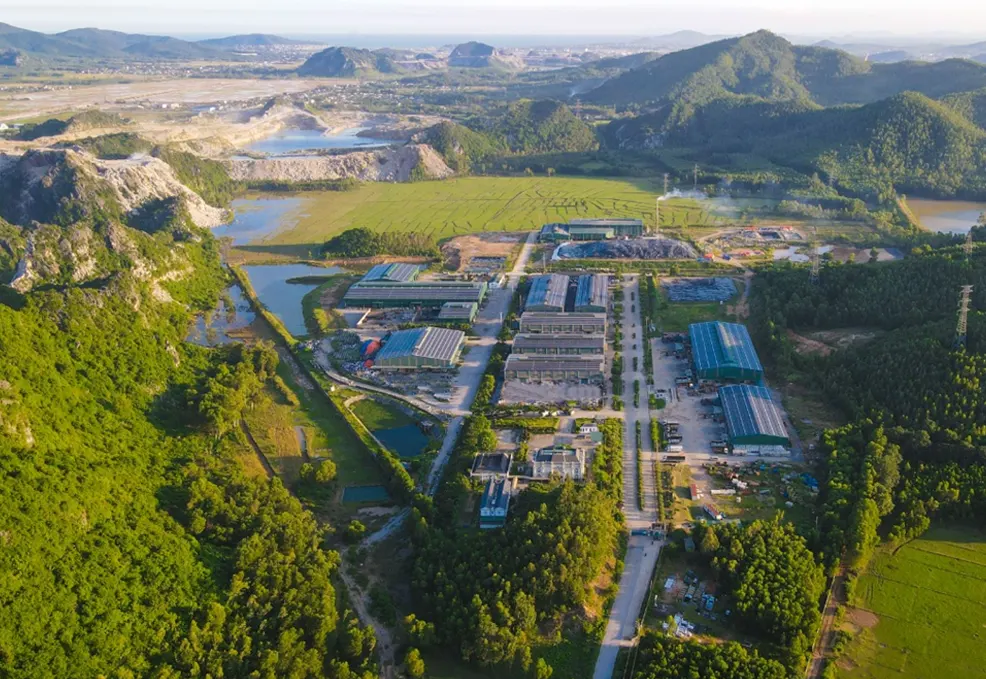
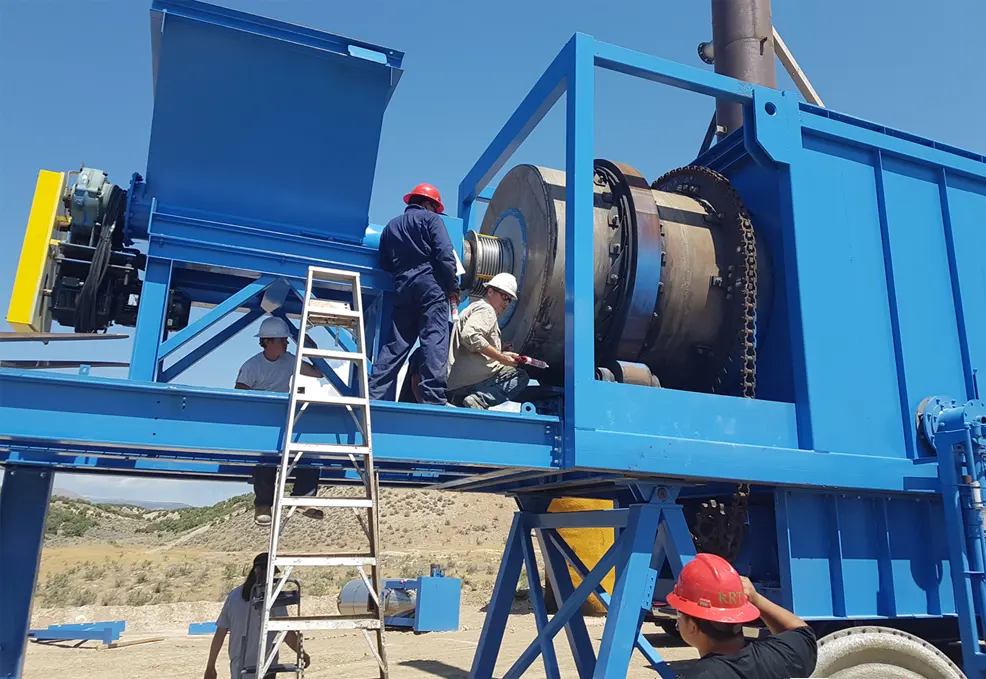

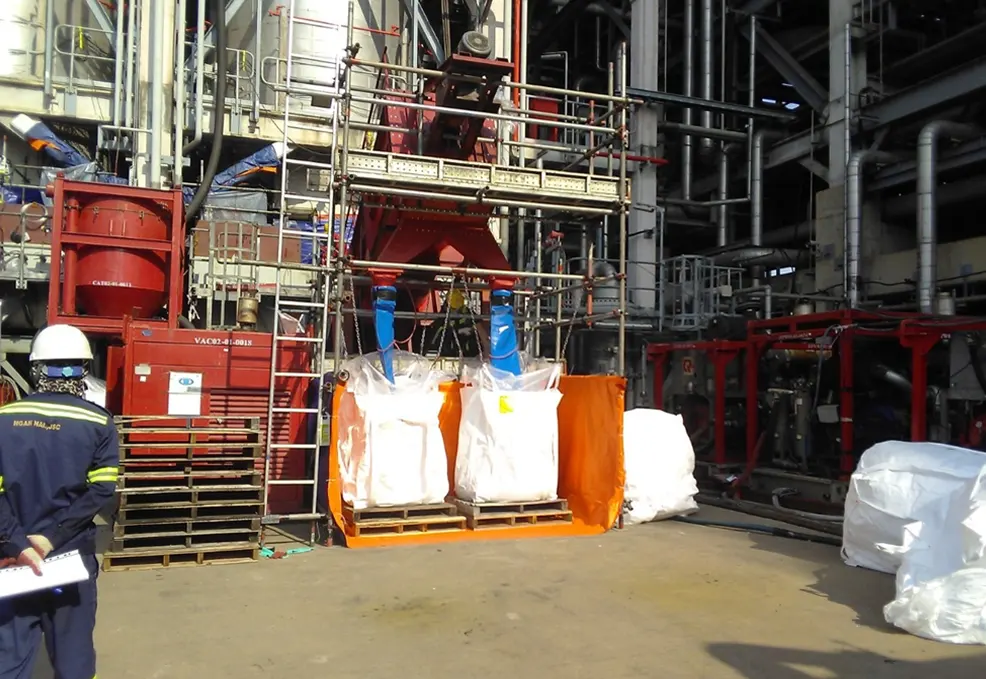
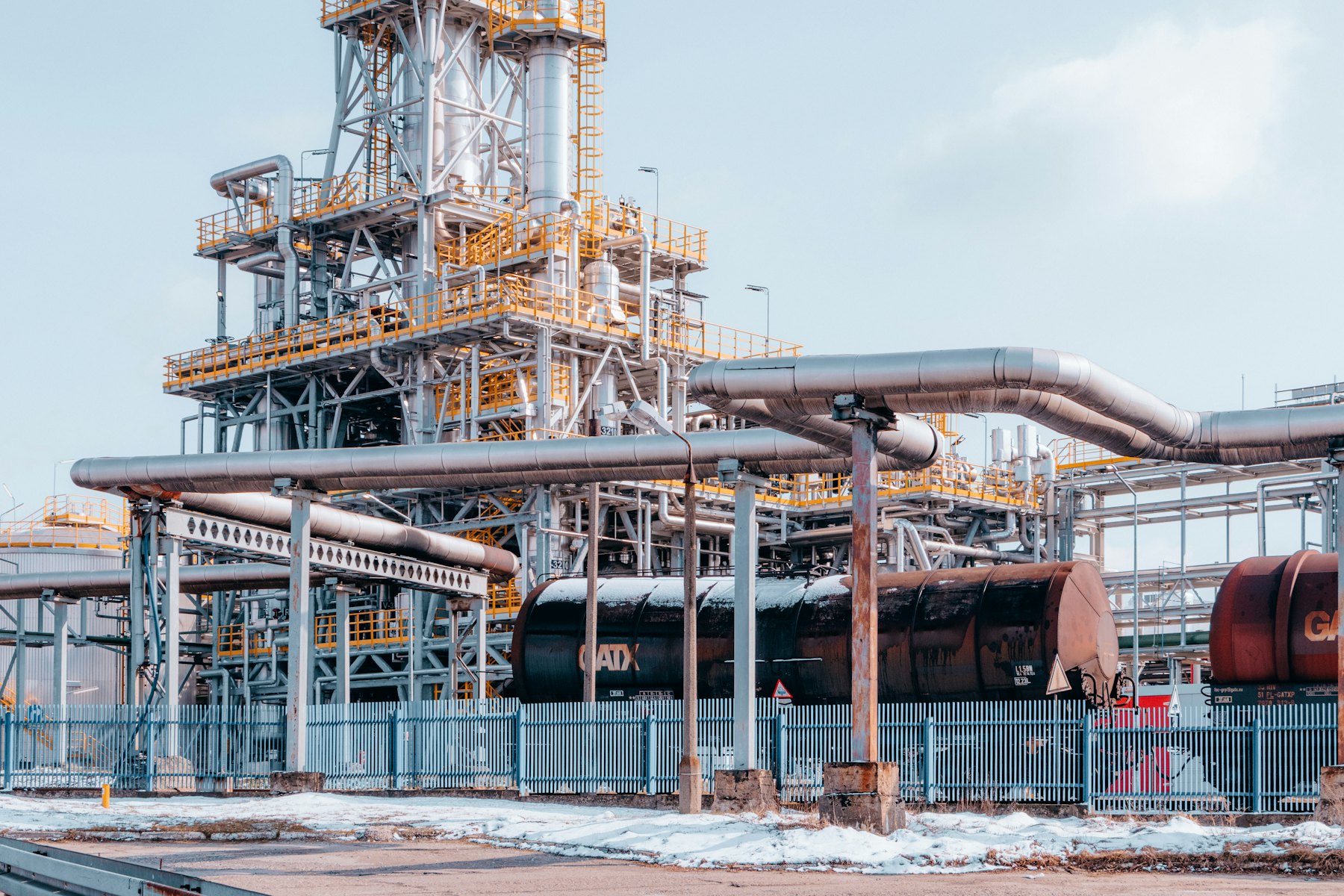
One of the defining themes of Garrett’s leadership is the distinction between sustainability and regeneration. Many organizations focus on reducing environmental harm. Transformation Technologies focuses on creating positive outcomes. A clear example is the company’s work with the Nghi Son Refinery and Petrochemical Complex in Vietnam. What was traditionally considered hazardous refinery waste became a source of valuable resources through a resource recovery process that captures:
These materials can then be returned to critical supply chains supporting energy storage, electric vehicles, and advanced manufacturing. That philosophy defines regeneration.
- Oil
- Water
- Vanadium
- Nickel
- Molybdenum
- Aluminum
The objective is not simply to do less damage. The objective is to leave the system stronger than we found it.
04 / 10
Redefining waste
Garrett often describes waste as one of the world’s most misunderstood resources. “We do not view waste as a liability. We view it as a resource with unrealized value.”
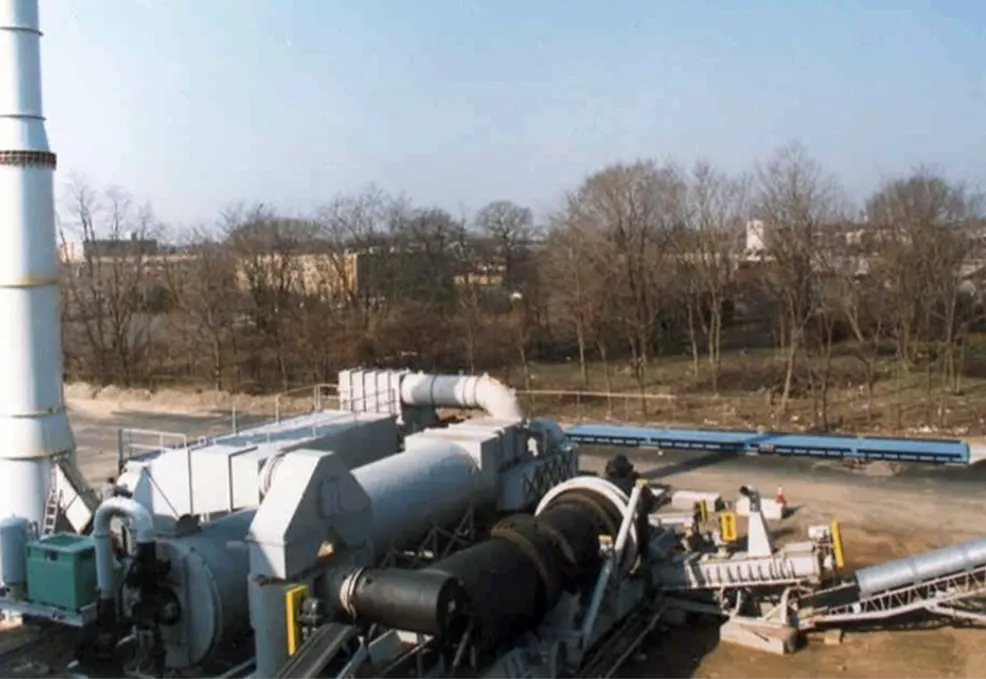
That perspective has transformed Transformation Technologies into a turnkey environmental technology company that designs, engineers, builds, and operates integrated resource recovery facilities around the world.
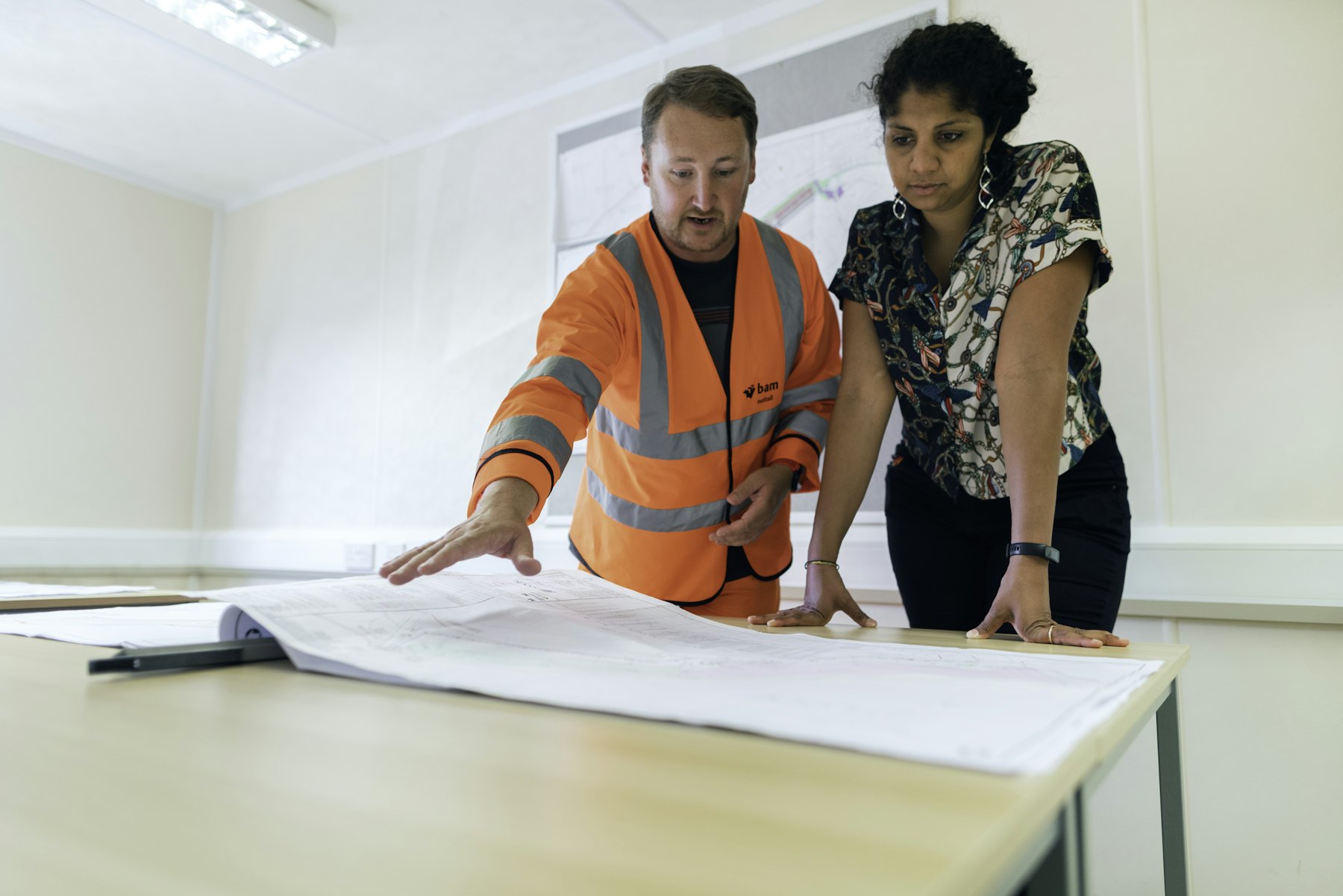
Every project begins with the same question: what value remains hidden inside material that others are discarding?
05 / 10
The rise of urban mining
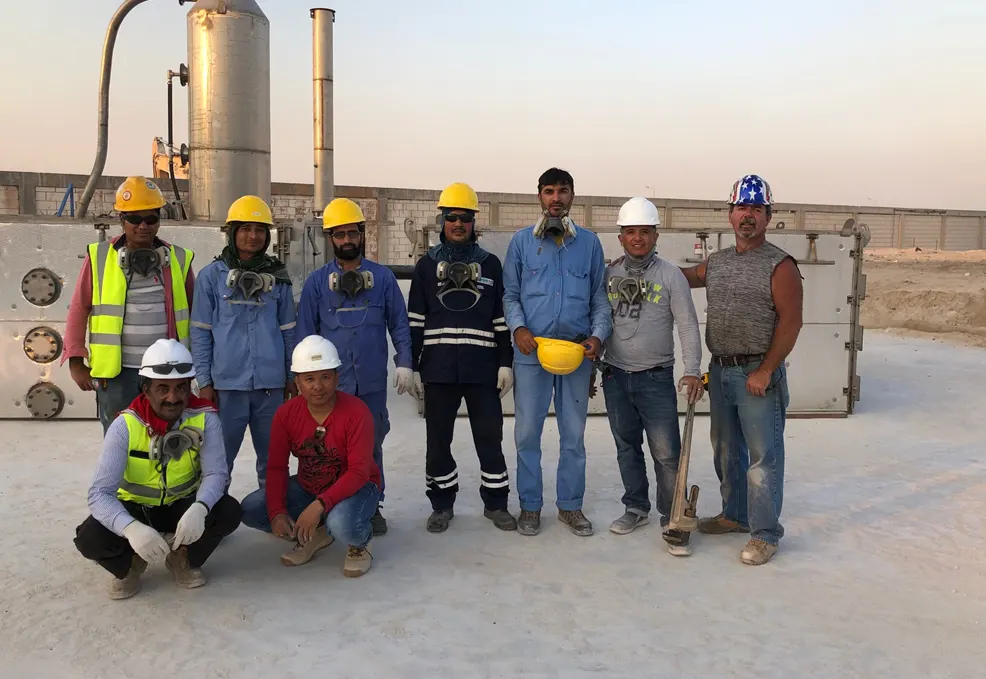
Traditional mining extracts resources from the earth. Urban mining recovers resources from materials that have already been extracted. According to Garrett, this concept represents one of the most important opportunities of the twenty-first century.
Transformation Technologies expands that concept through integrated resource recovery systems that recover metals, energy, water, and other valuable materials while minimizing waste.
The result is a circular approach that strengthens resource security while reducing dependence on traditional extraction.
Urban mining is the recovery of valuable materials from discarded products and industrial waste streams rather than extracting them from the earth.
06 / 10
Turning industrial waste into critical minerals
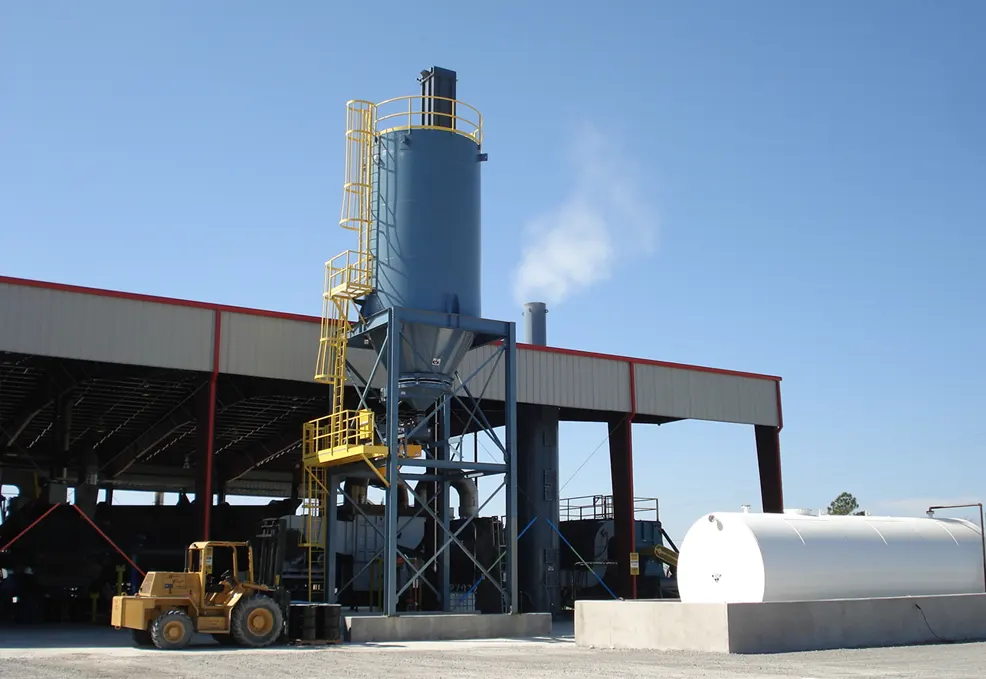
The Vietnam project demonstrates the potential scale of this approach. Current projections indicate annual recovery of:
The project is expected to avoid approximately 21,000 to 24,000 tonnes of carbon dioxide emissions annually through the recovery and reuse of these materials. “Many of the resources needed for the future economy already exist within materials that are currently being discarded.” For Garrett, waste is not simply an environmental challenge. It is an economic opportunity.
- 500+ tons
- Vanadium, estimated annual recovery
- 200+ tons
- Nickel, estimated annual recovery
- 1,200+ tons
- Aluminum, estimated annual recovery
07 / 10
Innovation begins with a problem
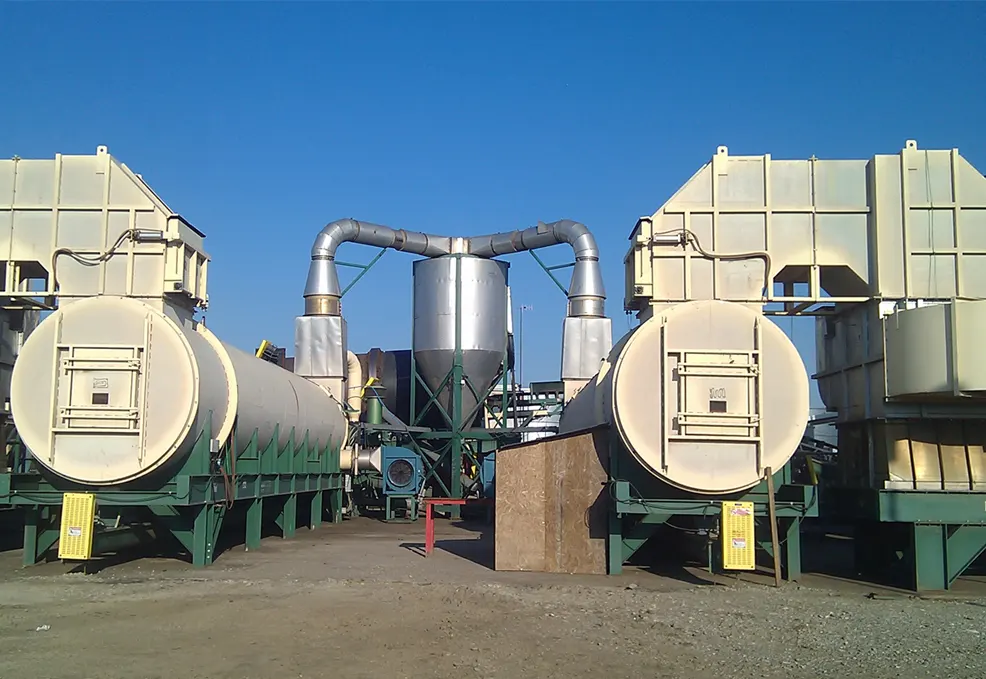
One of the most revealing insights into Transformation Technologies comes from how the company approaches innovation. “We don’t start by asking, ‘What technology can we sell?’ We start by asking, ‘What problem can we solve?’” Garrett points to a project in Vietnam that originally began as a request to design a bamboo drying system. Rather than treating the assignment as a single technology problem, the team examined the entire process. What emerged was an integrated facility capable of:
By combining technologies from different industries, Transformation Technologies transformed multiple waste streams into multiple value streams. This systems-thinking approach has become a defining characteristic of the company.
- Converting bamboo waste into wood vinegar
- Producing biochar
- Recovering useful energy
- Reducing emissions
- Creating multiple revenue streams
08 / 10
More than three decades of experience
Although Transformation Technologies was officially incorporated in 2018, the expertise behind the company extends far beyond its corporate formation.
The company’s roots trace back to large-scale environmental remediation projects and early efforts to recover value from contaminated materials rather than sending them directly to landfills. That experience would eventually lead to projects in more than 60 countries around the world.
From cleanup to resource recovery. Garrett’s career began during an era when environmental remediation often focused on excavation and disposal. Contaminated materials were commonly moved from one location to another and buried. Transformation Technologies pursued a different path.
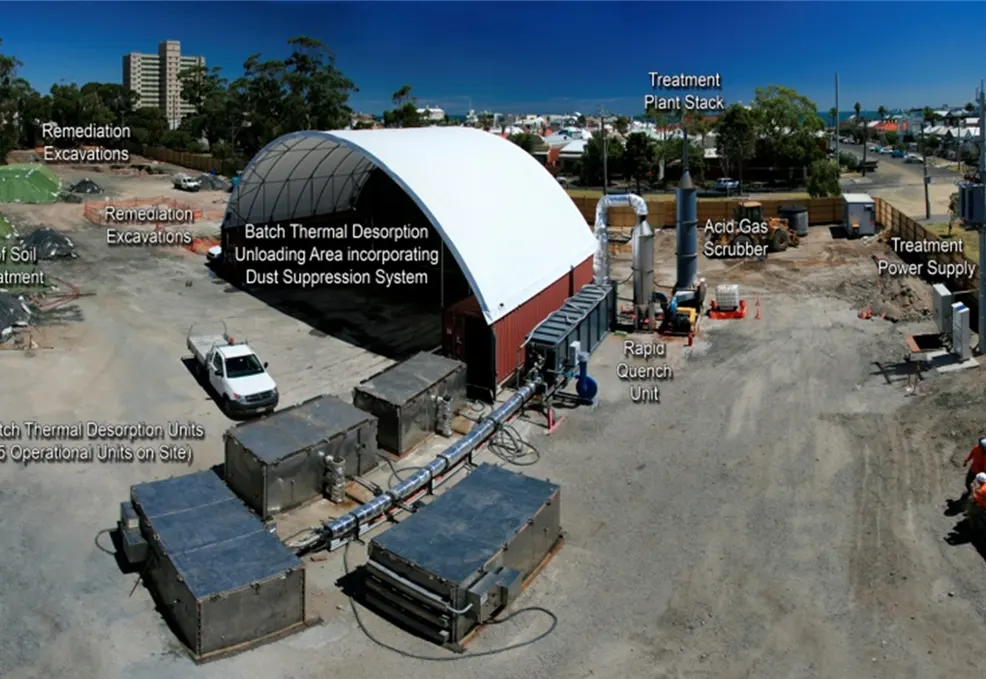
Through the application of thermal desorption and resource recovery technologies, contaminated materials could be treated, recovered, and returned to productive use. This approach attracted global energy clients and ultimately expanded into projects across six continents. “We believed there was a better solution.” That simple belief continues to guide the company today.
Our leadership team has worked together in environmental technology, resource recovery, and waste-to-energy sectors for more than three decades.
09 / 10
The future Transformation Technologies is building
When asked about the long-term vision for the company, Garrett’s answer is straightforward. “Our vision is to redefine how society views waste.” As demand for critical minerals, cleaner energy systems, and more resilient supply chains continues to accelerate, Transformation Technologies believes many of those resources already exist within existing waste streams. The company’s mission is to recover those resources while strengthening local economies and reducing dependence on virgin extraction. “Ultimately, we seek to demonstrate that business success and environmental stewardship are not competing priorities.”
Through regenerative capitalism, urban mining, and integrated resource recovery, Transformation Technologies is working toward a future where:
- Waste becomes resource
- Recovery replaces disposal
- Environmental restoration creates economic value
- Economic growth generates positive impact
That is the future we are building.
10 / 10
About Transformation Technologies
Transformation Technologies is a turnkey environmental technology company that develops, designs, engineers, builds, and operates integrated resource recovery and urban mining facilities worldwide.
Through innovation, regenerative business practices, and more than three decades of industry experience, the company transforms industrial waste streams into valuable resources while creating environmental, economic, and social value.
Recover. Regenerate. Restore. Reinvest. Transforming environmental liabilities into valuable assets.