

Recovered Resources
Transforming waste streams into valuable products
Turning waste into the building blocks of tomorrow: products that support agriculture, energy storage, advanced manufacturing, infrastructure and the circular economy.
At Transformation Technologies, we recover critical materials and sustainable products from industrial waste streams, contaminated materials, and biomass resources. By transforming what was once considered waste into valuable commodities, we help support cleaner industries, stronger supply chains, and a more circular economy.
Every recovered resource reduces waste, conserves natural resources, and creates new economic opportunities.

01 / 06
Biochar
Carbon for healthier soils and a healthier planet
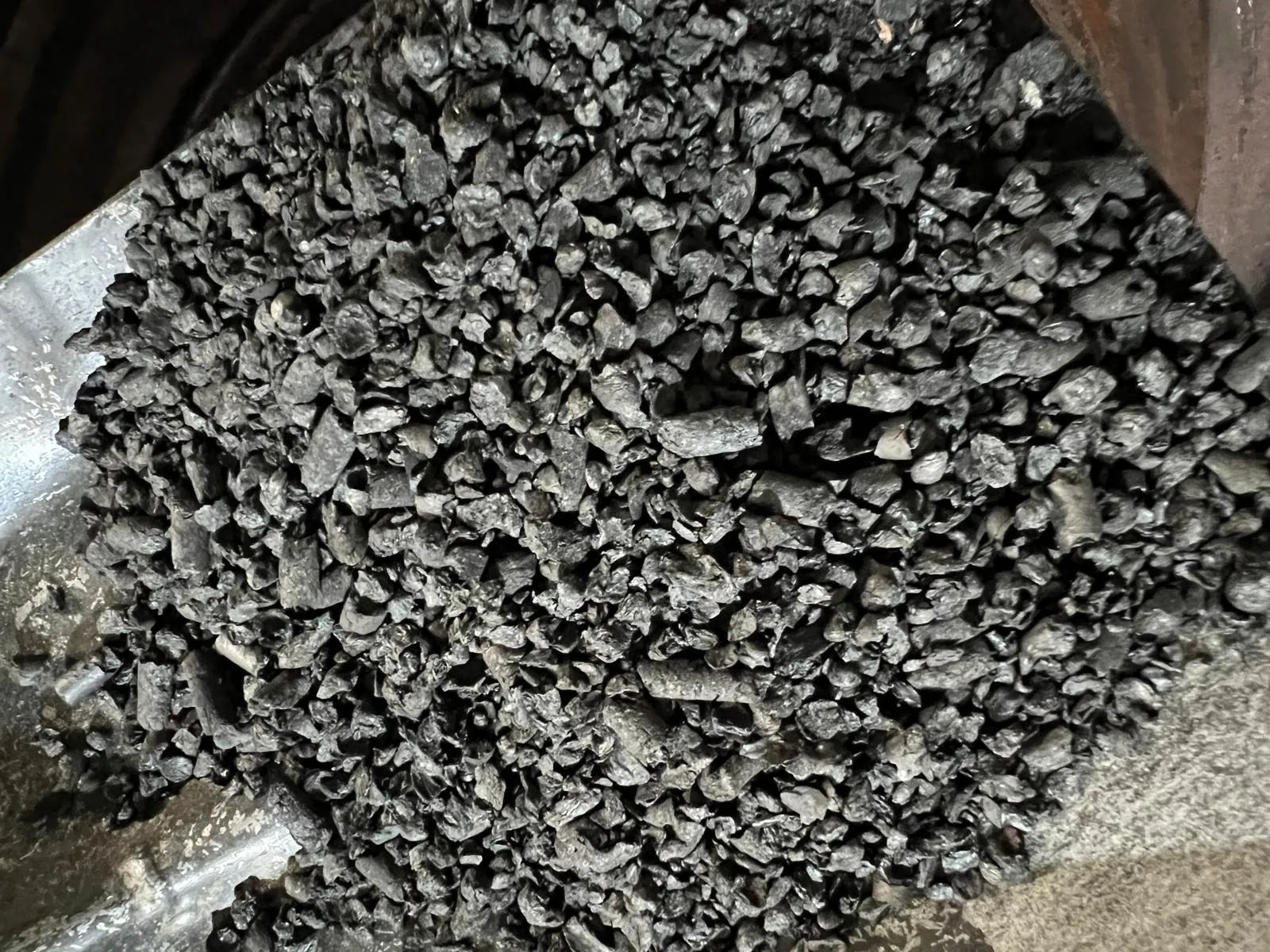
Biochar is a carbon-rich material created from biomass through advanced thermal conversion processes.

Applications
- Soil enhancement and regenerative agriculture
- Carbon sequestration and carbon credit programs
- Mine reclamation and land restoration
- Water filtration and environmental remediation
Biochar improves soil fertility, increases moisture retention, reduces fertilizer requirements, and permanently stores carbon that would otherwise be released into the atmosphere.
02 / 06
Wood Vinegar
Natural solutions for sustainable agriculture
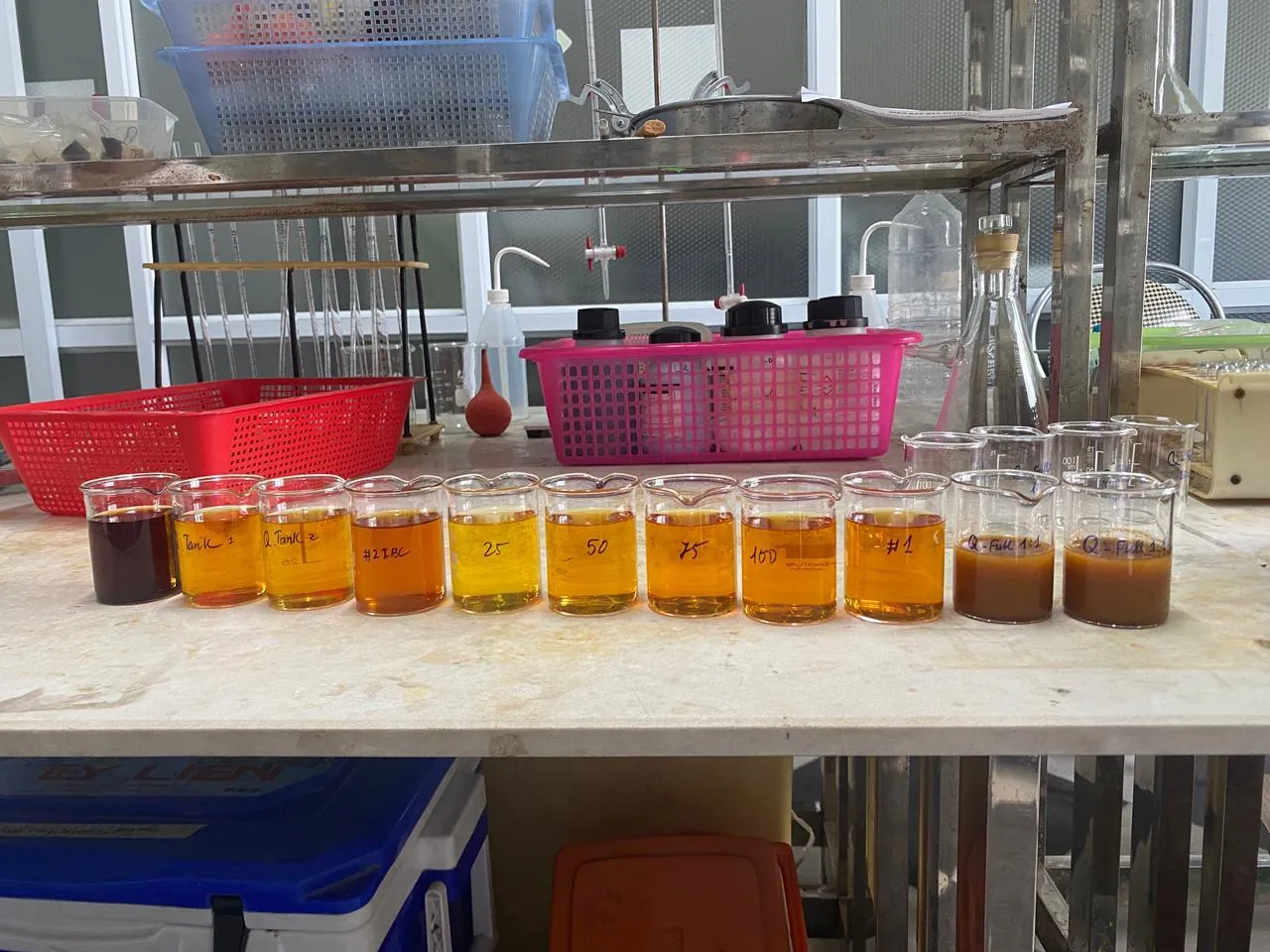
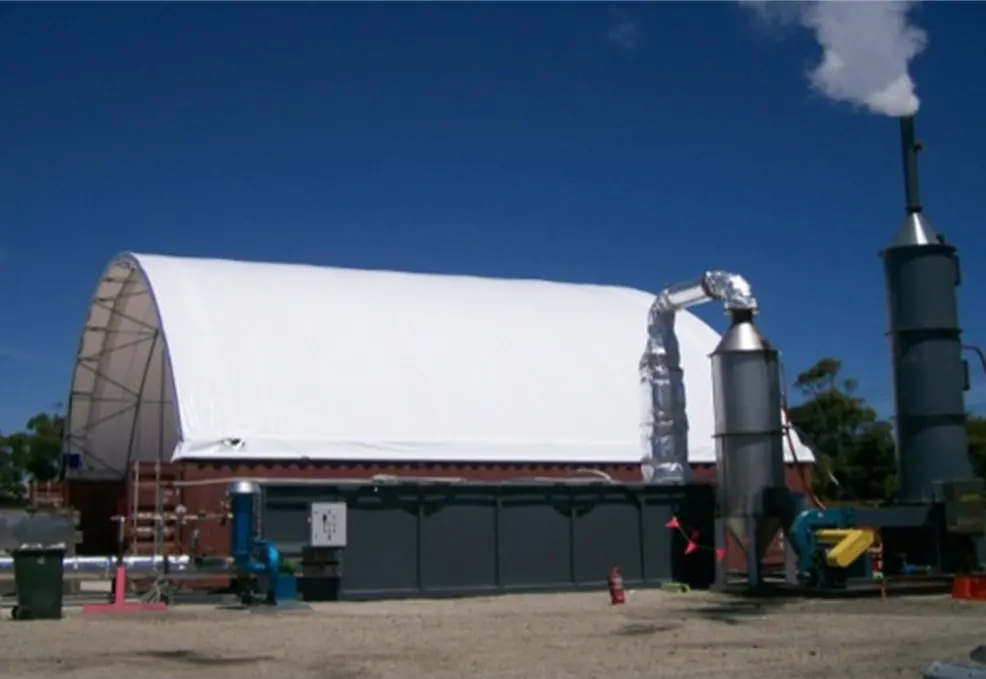
Wood vinegar is a naturally derived liquid produced during biomass conversion.

Applications
- Organic crop production
- Soil conditioning
- Natural pest and disease management
- Compost enhancement
- Livestock and odor management
Wood vinegar helps farmers improve crop performance while reducing reliance on synthetic chemicals and pesticides.
03 / 06
Vanadium
Powering long-duration energy storage
Vanadium is a critical mineral used in both advanced energy systems and high-strength steel production.

Applications
- Vanadium Redox Flow Batteries (VRFBs)
- Electrical grid-scale energy storage
- Renewable energy storage systems
- High-strength steel for infrastructure and construction
- Aerospace and industrial alloys
Vanadium Redox Flow Batteries are becoming an essential technology for storing solar and wind energy, helping stabilize electrical grids and support the transition to renewable power.
04 / 06
Nickel
Enabling the electrification economy
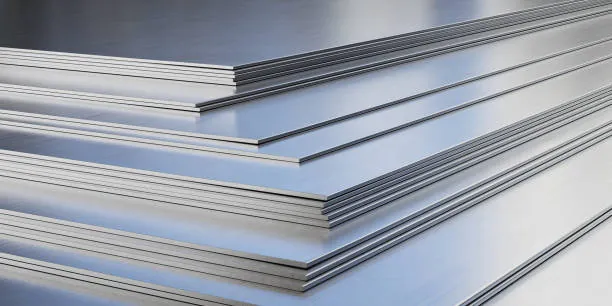
Nickel is one of the most important metals supporting the global transition to clean energy.


Applications
- Electric vehicle (EV) batteries
- Energy storage systems
- Stainless steel production
- Aerospace manufacturing
- Advanced industrial alloys
As global demand for electric vehicles continues to grow, recycled nickel provides a sustainable source of this critical battery material while reducing dependence on traditional mining.
05 / 06
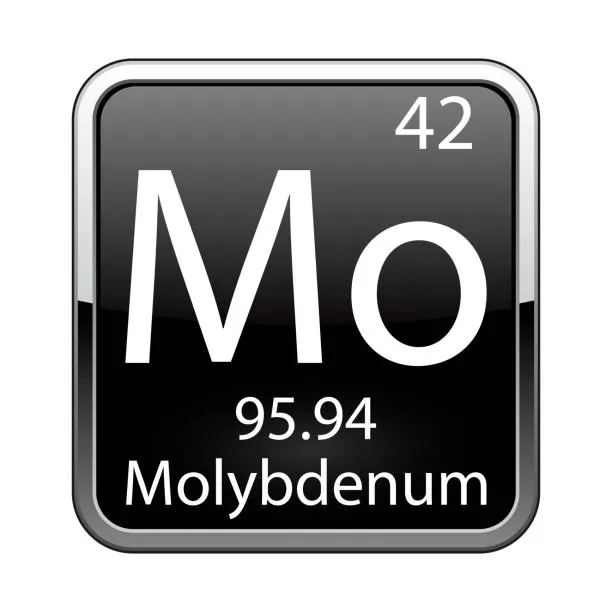
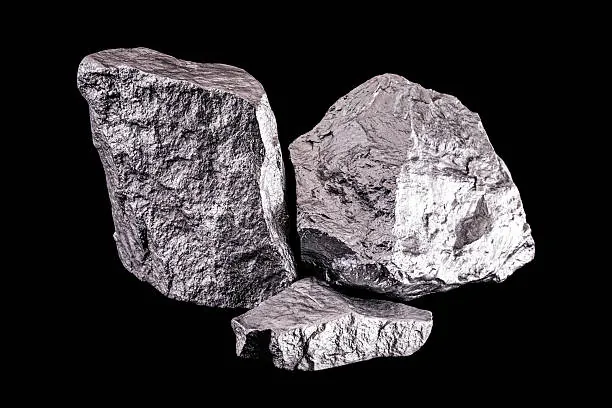
Molybdenum
Strengthening critical infrastructure
Molybdenum is a strategic metal that improves strength, durability, and corrosion resistance in industrial materials.
Applications
- Oil and gas infrastructure
- Pipelines and pressure vessels
- Power generation facilities
- Chemical processing equipment
- Renewable energy infrastructure
Molybdenum enables critical infrastructure to perform under extreme temperatures and corrosive environments while extending asset life.
06 / 06
Recycled Oil
Recovering value from industrial waste streams
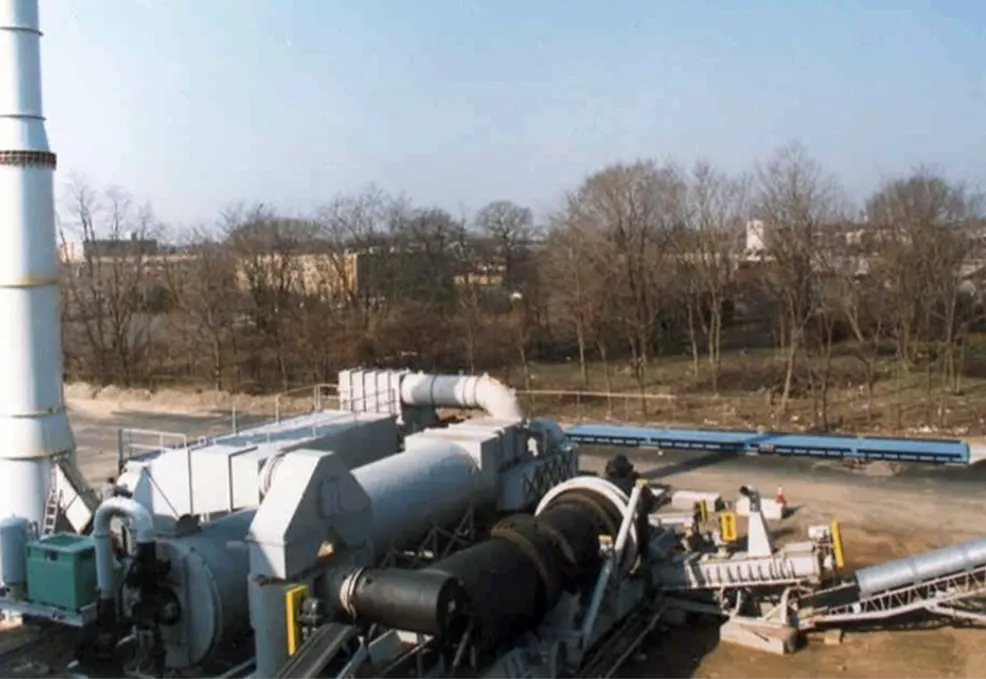
Recovered oil is processed and refined from industrial waste materials that would otherwise require disposal.
Applications
- Industrial fuel
- Process energy generation
- Refinery feedstock
- Manufacturing operations
- Energy recovery systems
Recycled oil reduces waste disposal requirements, lowers environmental liabilities, and returns valuable hydrocarbons back into productive use.
From waste to strategic resources
The materials we recover are more than commodities. They are essential inputs for modern industries, renewable energy, sustainable agriculture, advanced manufacturing, and critical infrastructure. By recovering these valuable resources from existing waste streams, Transformation Technologies helps build a more resilient, regenerative, and resource-efficient future.
Recover. Regenerate. Restore. Reinvest.
Every recovered product represents a reduction in waste, a decrease in environmental liability, and a step toward a more regenerative economy.