Strategic Material Recovery
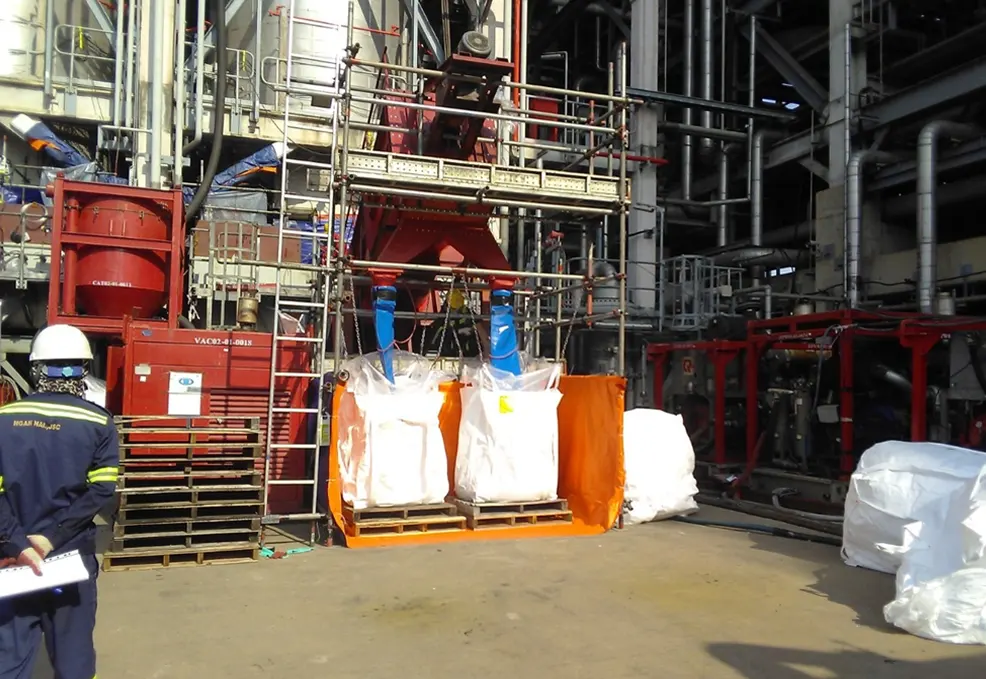
TTI’s recovery model supports the production of materials that can contribute to industrial and energy-related downstream markets, including those tied to steel and vanadium-linked storage applications.
0%

Transformation Technologies Inc.

Supporting lower-impact industrial systems through recovery, strategic materials, and more efficient resource pathways.
01 / 03
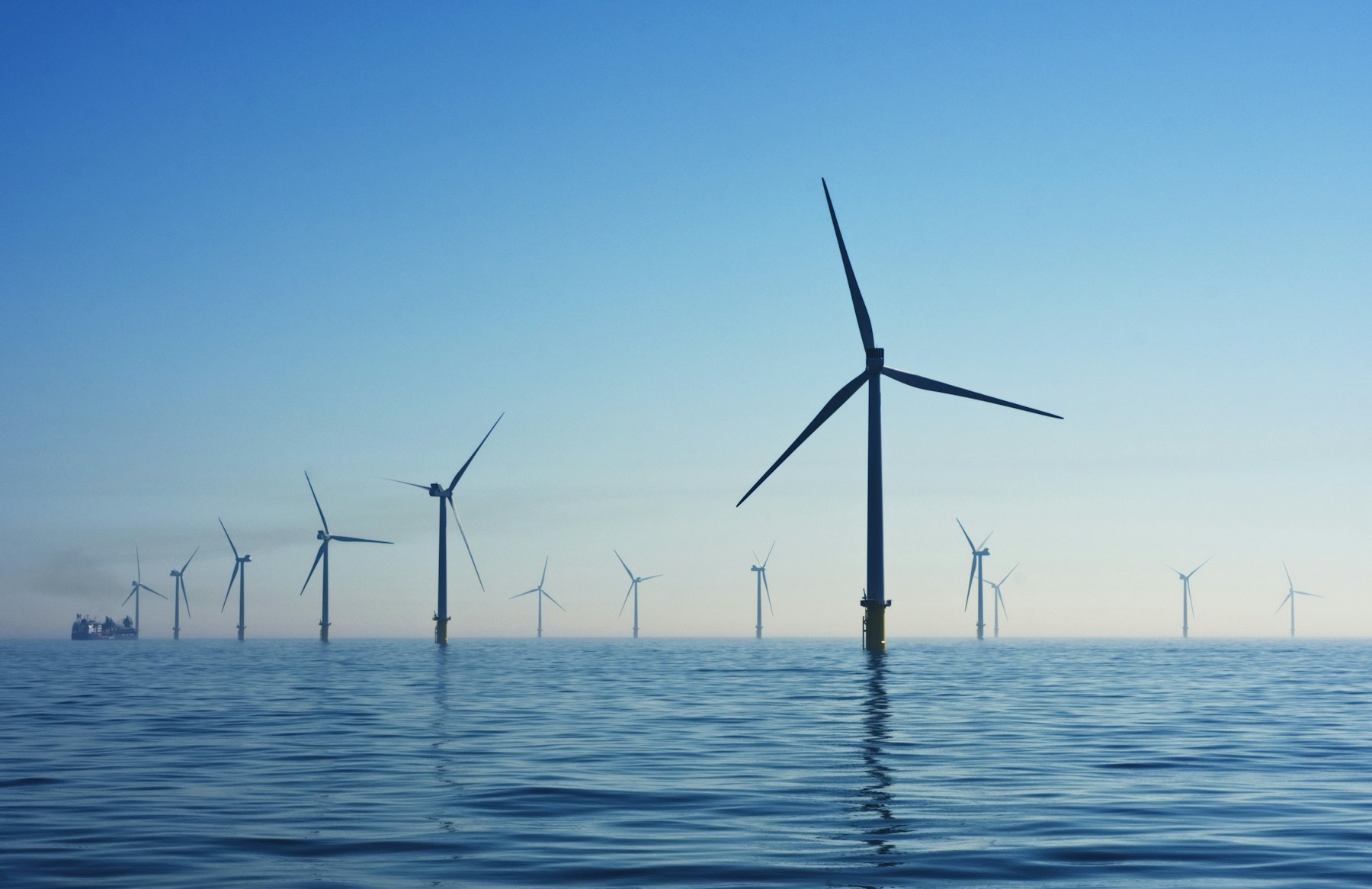
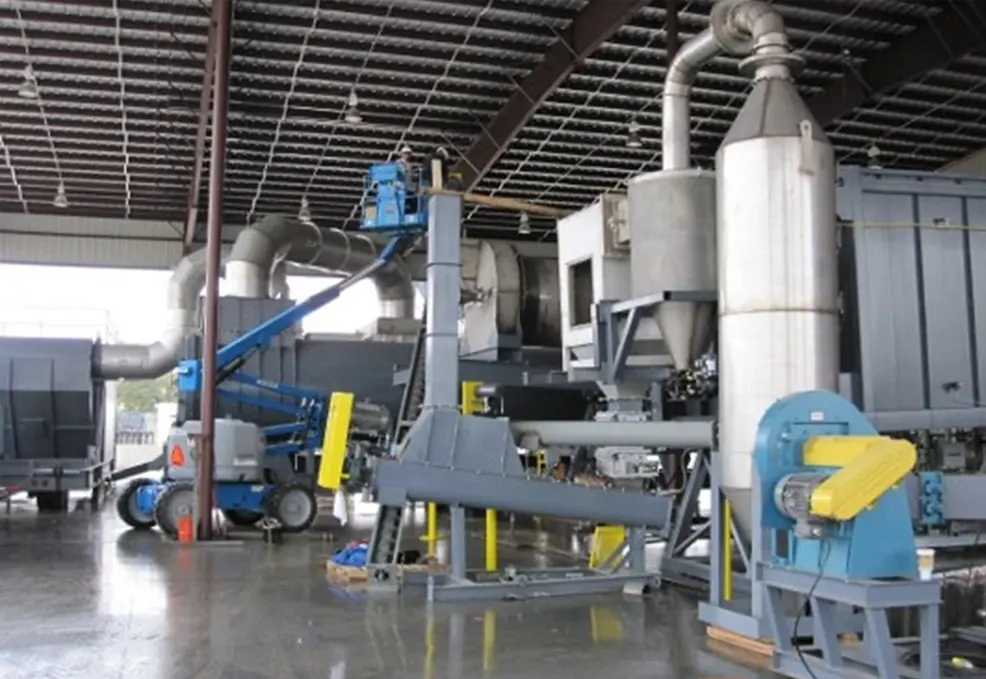
TTI supports the energy transition by helping convert difficult industrial materials into useful outputs that align with future-facing industrial and infrastructure needs. Through recovery-driven processing and strategic material pathways, the company helps connect existing industrial systems with more sustainable long-term resource models.
The energy transition is not only about new technologies. It is also about how existing industries reduce waste, recover value, and build cleaner pathways for the materials the future will require. TTI’s role in this space is grounded in practical industrial processing. By recovering useful outputs from difficult material streams and contributing to markets tied to strategic metals and industrial efficiency, TTI participates in a more resource-conscious model of growth.
02 / 03

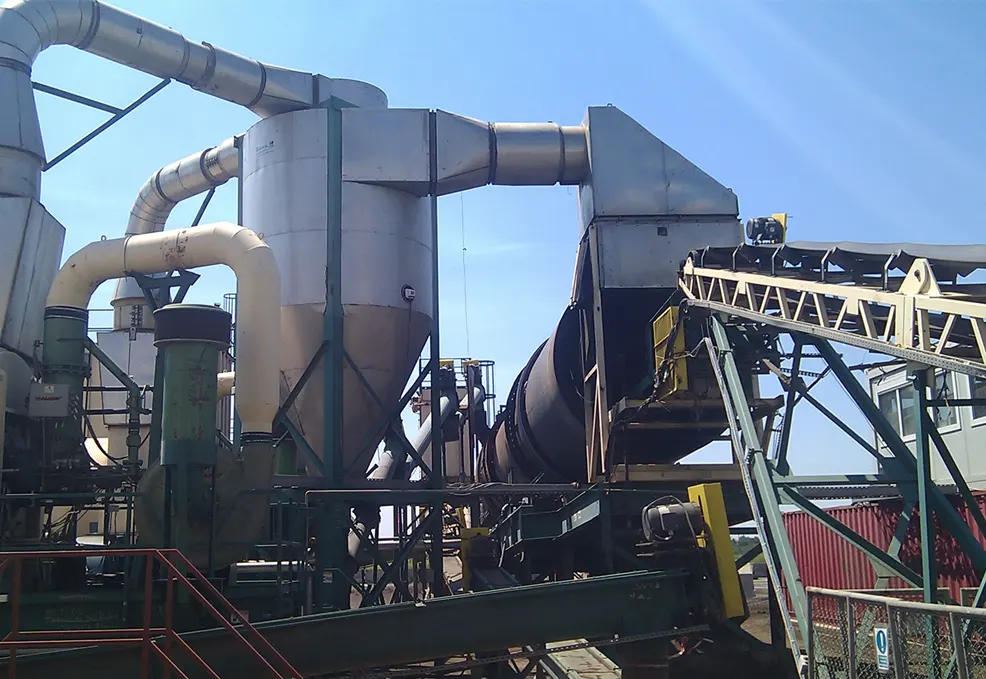
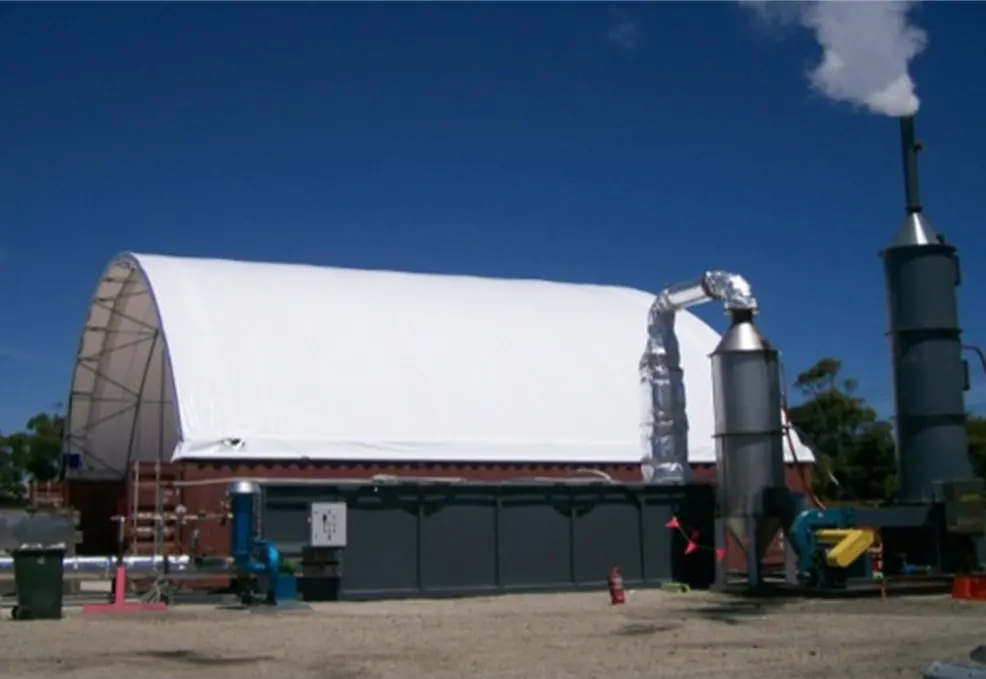
TTI’s recovery model supports the production of materials that can contribute to industrial and energy-related downstream markets, including those tied to steel and vanadium-linked storage applications.
By reducing disposal burdens and improving the usefulness of industrial residuals, TTI supports a more efficient model of industrial resource use.
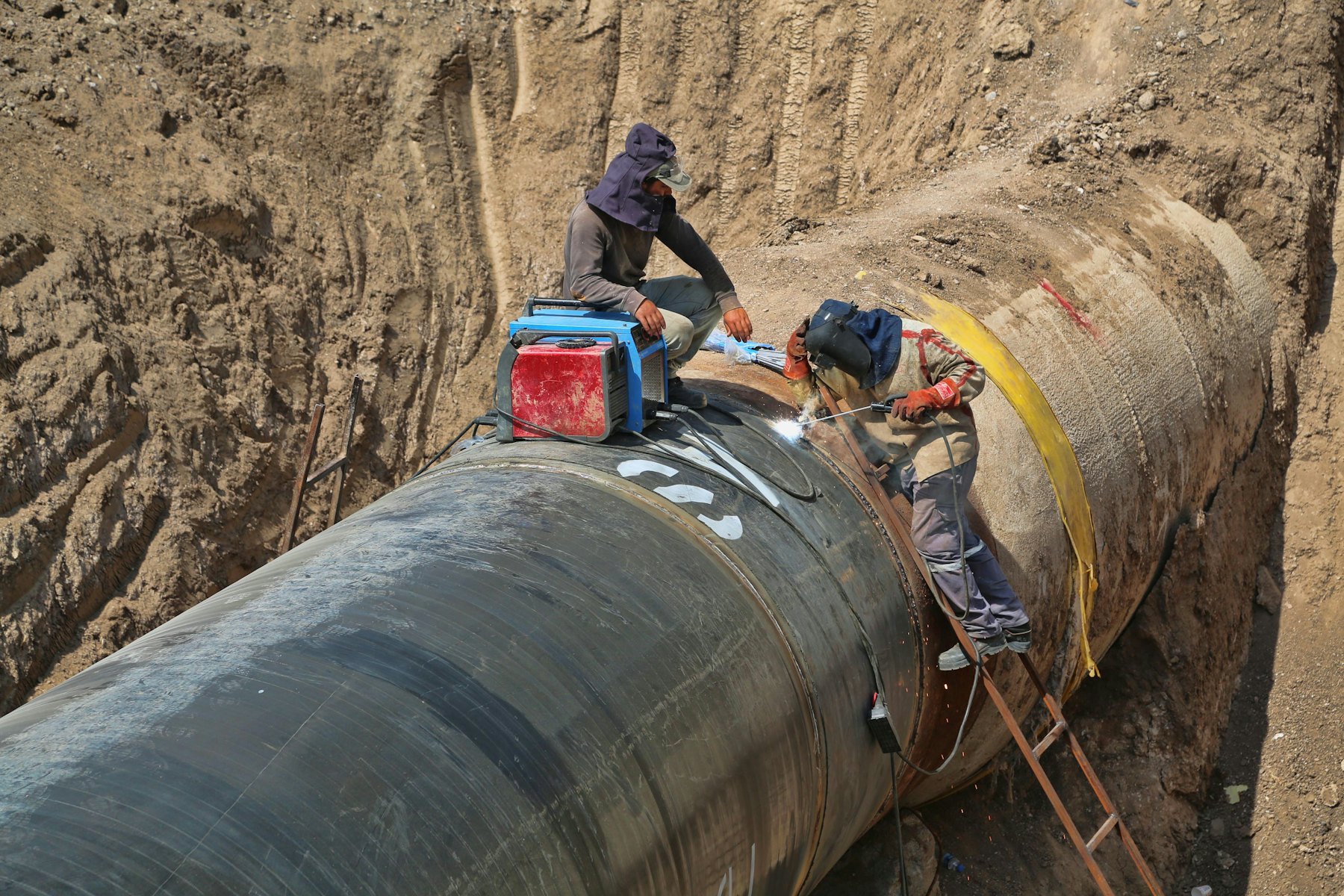
TTI’s work helps reinforce the idea that future infrastructure depends not just on new extraction, but also on better recovery and reuse from existing industrial systems.
03 / 03

Energy transition conversations often focus on what needs to be built next. TTI’s work focuses on another part of the equation: recovering and reusing what already exists in industrial material streams. That creates a more practical bridge between traditional industry and future infrastructure, while supporting lower-waste, higher-value outcomes.
TTI’s contribution to the energy transition is grounded in operational reality: recover more, waste less, and create useful outputs that can support the industries of the future.
Where we run it