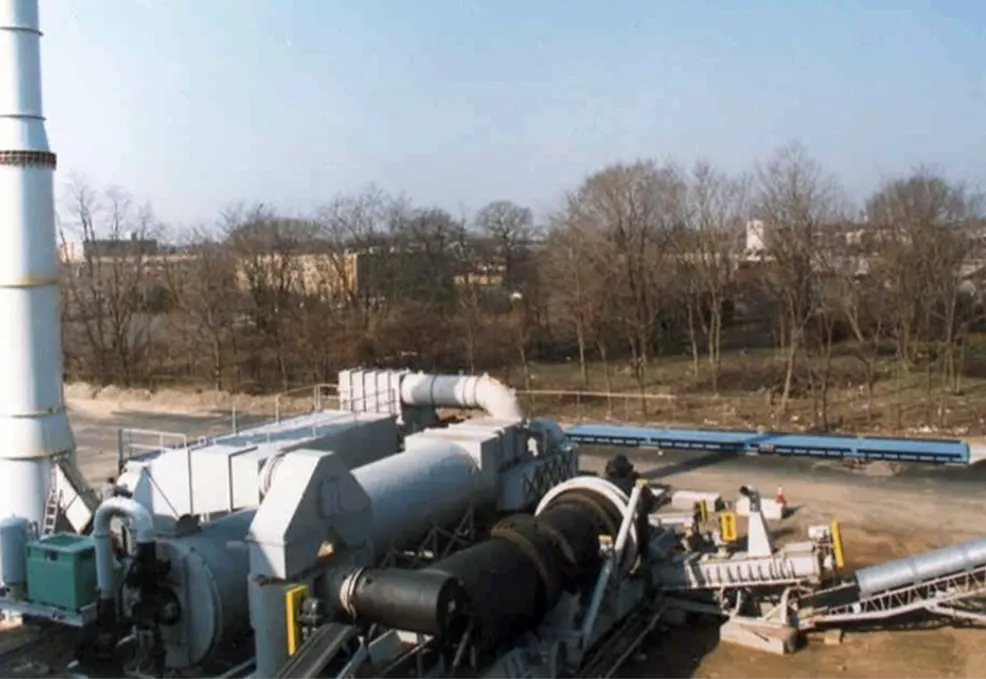
Technology explained: Circular Resource Recovery
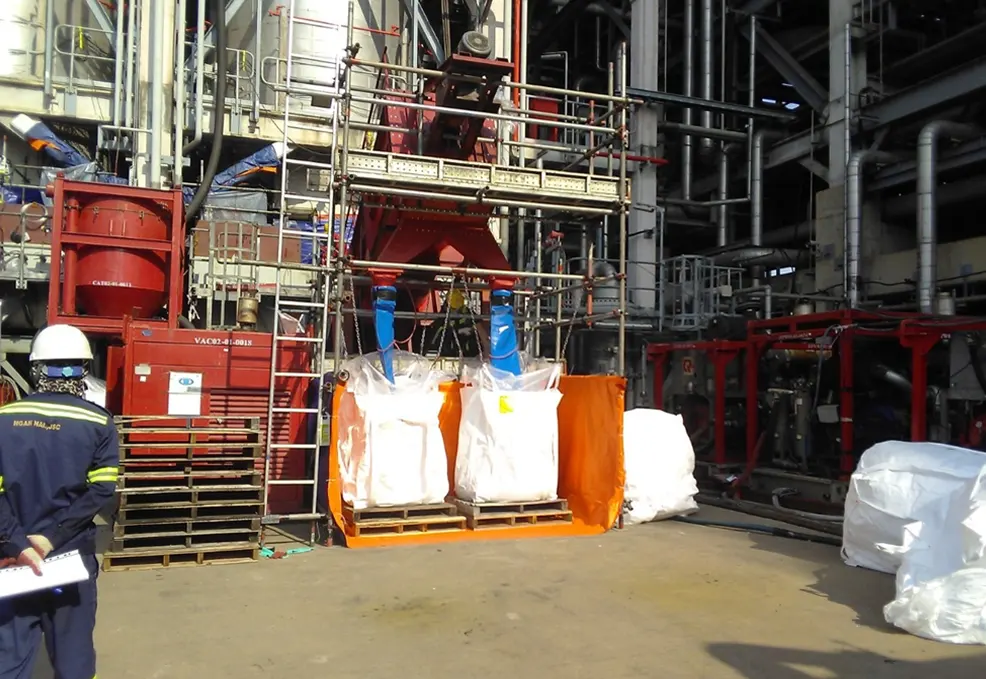
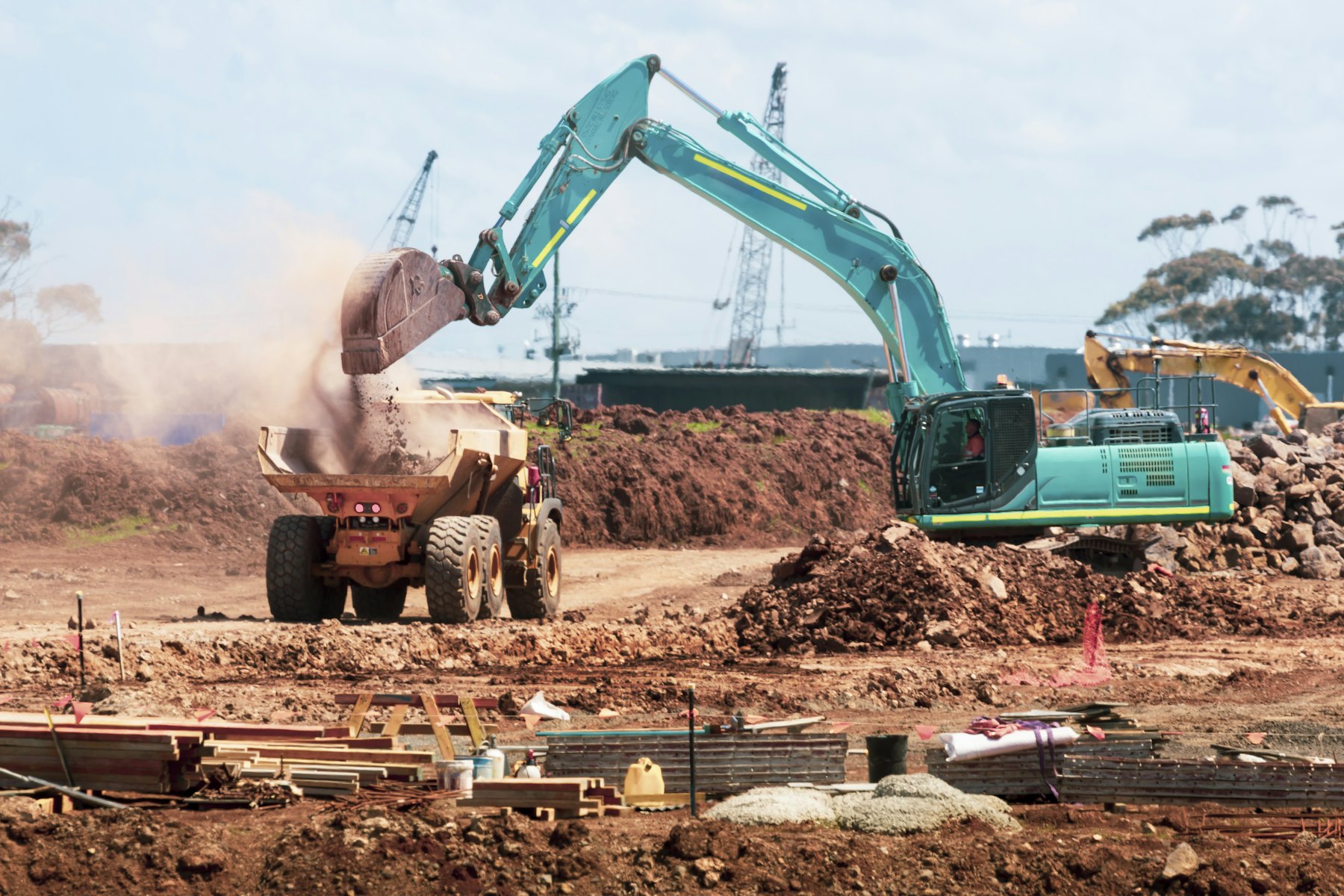
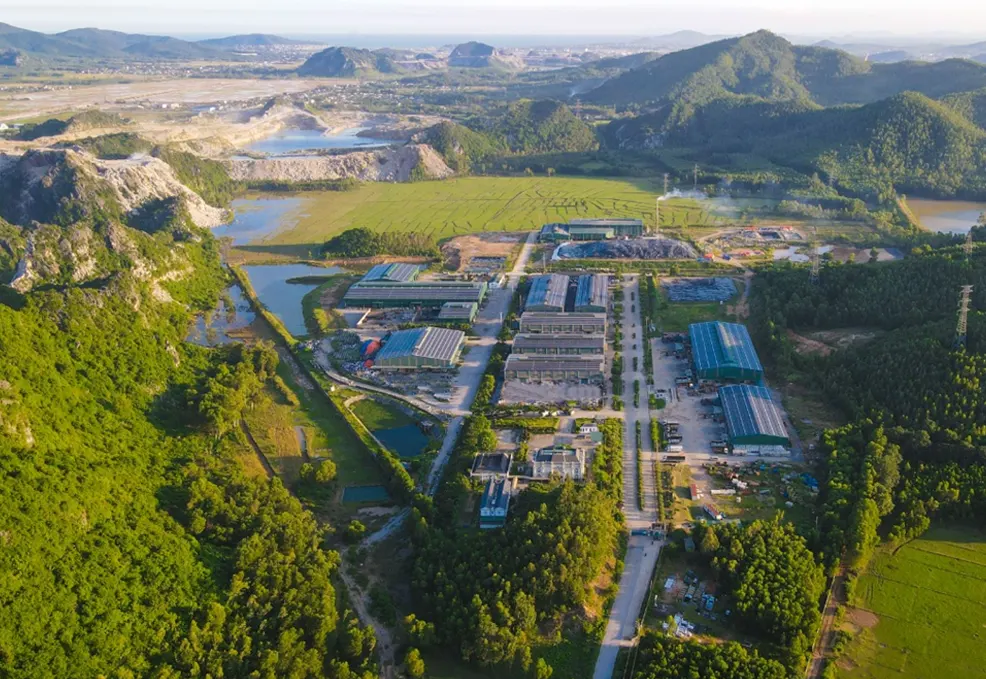
TTI’s circular resource recovery platform is built on the belief that industrial residuals should not automatically be treated as end-of-line waste. Through recovery-oriented systems, the company works to transform difficult material streams into beneficial-use outputs, reusable process materials, and marketable industrial products that support a more efficient and responsible use of resources.
In many industries, valuable resources remain trapped inside materials traditionally classified as waste. TTI’s circular recovery approach focuses on creating pathways to recover those resources rather than sending them directly to disposal. This includes the recovery of hydrocarbons, the production of metal-bearing output streams, and the reuse of process water and other recoverable materials wherever feasible.
Circular resource recovery is not just a sustainability concept. It is also a practical operating model. By reducing waste volumes, recovering useful material, and creating downstream value, TTI helps shift industrial processing from a disposal mindset toward a more productive resource cycle.
Circular resource recovery creates advantages on multiple levels. It can reduce landfill dependence, improve resource efficiency, support sustainability goals, lower transportation and disposal burdens, and create real commercial value from materials that would otherwise remain stranded in waste streams. For industrial operators, that means a more productive and more defensible way to manage difficult materials.
TTI’s circular resource recovery platform helps industrial clients move from disposal-driven thinking to recovery-driven processing, creating a more efficient pathway for materials, value, and long-term operational sustainability.